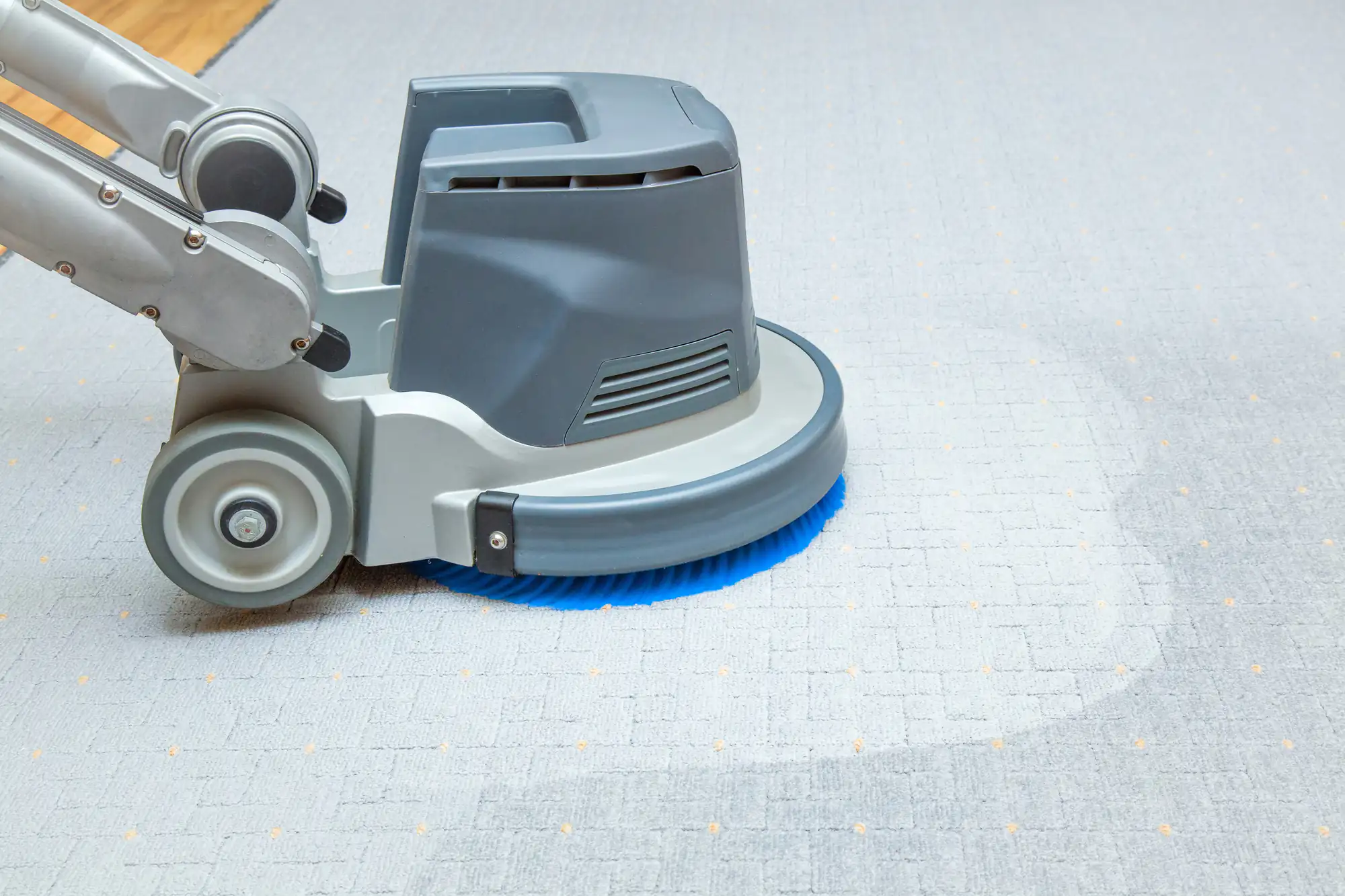
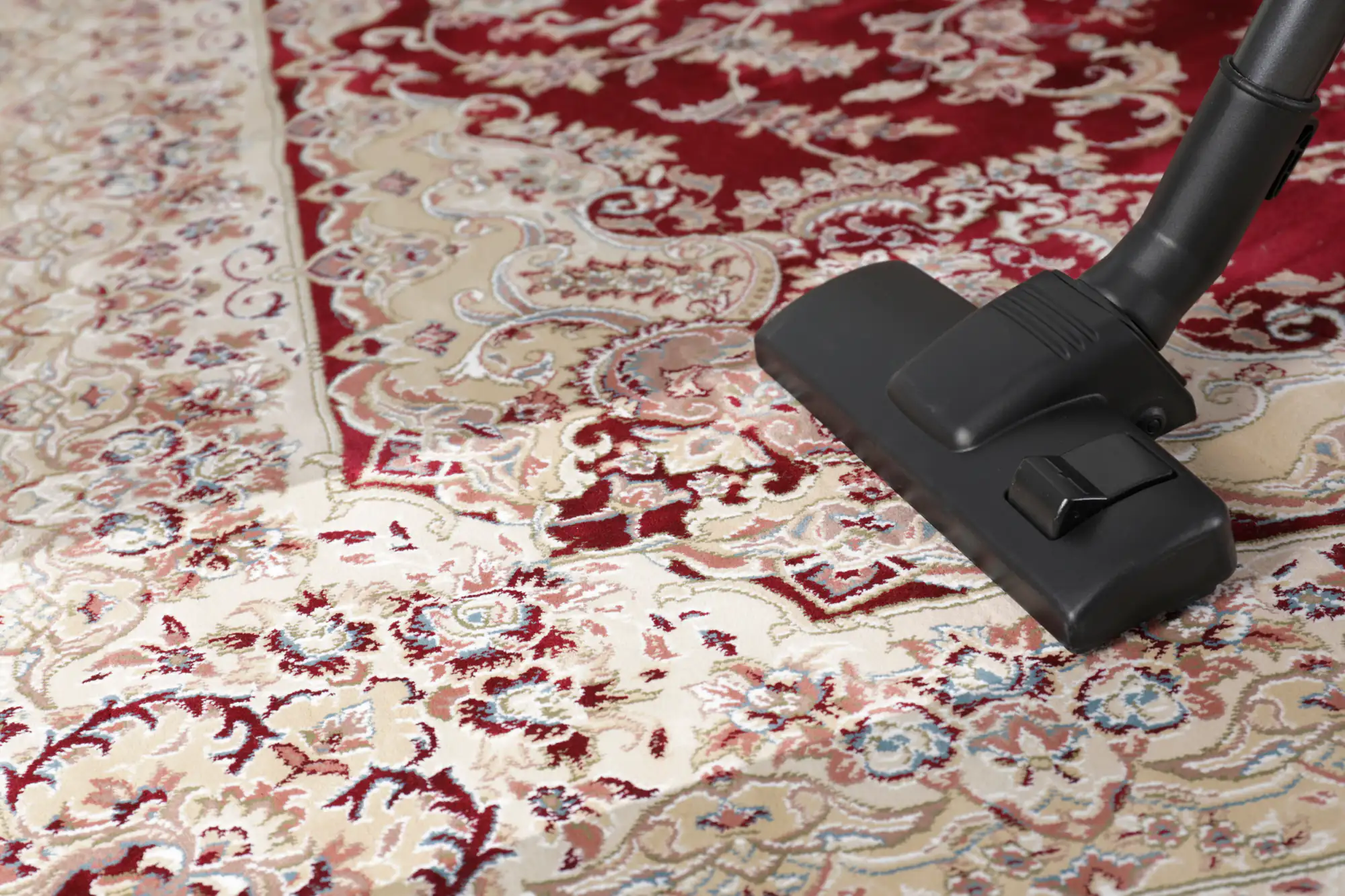
Summer in Ventura County has a way of sneaking up on your floors. The kids are home, the windows are open, the beach trips are happening every other weekend, and somewhere between all of it, your carpets absorb everything — sand, pollen, pet dander, the invisible residue of just living your life in a warm, active household. By August, what looked fine in May has quietly become something else entirely. This guide is for anyone who’s noticed that and isn’t quite sure what to do about it — or whether now is even the right time to call in a carpet cleaning service. It is. Here’s why.
Why Summer Is the Hardest Season on Ventura County Carpets
Ventura County’s climate is genuinely unique — and not in a marketing brochure kind of way. The coast and the inland valleys behave like two different worlds. In Ventura and Oxnard, the marine layer rolls in through summer mornings, leaving behind a low-level humidity that settles into soft surfaces. In Thousand Oaks, Camarillo, and Moorpark, summer means triple-digit heat events where temperatures regularly push past 100°F.
Both extremes do real damage to carpets, just in different ways. Humidity feeds dust mites. Research consistently shows that dust mite populations thrive when indoor humidity climbs above 55% — a threshold that coastal Ventura County homes can hit without residents even noticing. Heat, on the other hand, accelerates the breakdown of organic material trapped in carpet fibers. Pet dander, food particles, tracked-in debris — all of it breaks down faster in warm conditions, producing odors that were barely detectable in March and become genuinely noticeable by July.
What Open Windows and Beach Weekends Actually Put Into Your Carpet
There’s a version of summer that sounds idyllic — open windows, fresh air, weekends at the beach. And it is. But those open windows are also letting in everything that floats through the air in Ventura County during peak season: oak and grass pollen, coastal sage scrub particulates, salt air from the ocean, and on bad days, wildfire smoke.
The Thomas Fire and the Woolsey Fire are still fresh in the memory of anyone who lived through them. Both originated in or near Ventura County, and both left behind smoke particulates that settled into every soft surface in the region — carpets, upholstery, drapes, mattresses. Smoke particles are fine enough to penetrate carpet fibers deeply, and they don’t just vacuum out. They bind to the fibers themselves, which is why homes in the affected areas still carried that faint smoke character long after the fires were contained.
Even in a normal summer — no fires, no extraordinary events — the Santa Ana winds that arrive in late summer and early fall drive dust and fine particulate matter into homes through every gap and HVAC vent. If you live in Camarillo, Moorpark, or the Ojai Valley, you already know what it looks like when a Santa Ana kicks up. What you might not think about is how much of that dust ends up in your carpet fibers rather than on your windowsills.
And then there’s the beach factor. If your household makes regular trips to Ventura or Oxnard beaches through the summer, sand and salt water residue come home with you every time. Sand is abrasive — it works its way down into carpet pile and acts like a slow-motion grinder against the fibers. Salt residue is hygroscopic, meaning it pulls moisture from the air and holds it in the carpet, which creates a low-level dampness that accelerates the same organic breakdown that summer heat is already driving.
Your carpet is functioning as the largest filter in your home. It traps everything that comes in — through the door, through the windows, on the bottom of shoes, on the paws of pets. That’s not necessarily a bad thing. A carpet that’s trapping pollen and particulates is keeping them out of the air you breathe. But filters have to be cleaned, or they stop working and start becoming the problem.
Why Renting a Machine This Summer Won’t Solve the Problem
A lot of Ventura County homeowners reach for the same solution when they finally decide to do something about their carpets: they head to the grocery store or hardware store and rent a machine. It makes sense on the surface — it’s cheaper than calling a professional, it’s available today, and it feels like taking action.
The problem is that rental machines — Rug Doctor being the most common — are built to a price point, not a performance standard. They don’t generate the heat that professional equipment does, and they don’t have the suction power to fully extract what they push into the carpet. What actually happens is that the machine agitates the soils in the upper portion of the carpet pile, mixes them with water, and pushes some of it out — but leaves behind a combination of dirty water and detergent residue that soaks deeper into the fibers and the carpet backing.
We hear this story regularly from customers who call us. They rented a machine, the carpet looked better for a week or two, and then it looked worse than before they cleaned it. That’s not a coincidence — it’s the residue. Detergent left behind in carpet fibers acts like a magnet for new soil. The carpet re-soils faster than it would have without the rental cleaning, and now you’ve also introduced excess moisture into the backing, which in summer’s heat creates exactly the conditions that mold and mildew need.
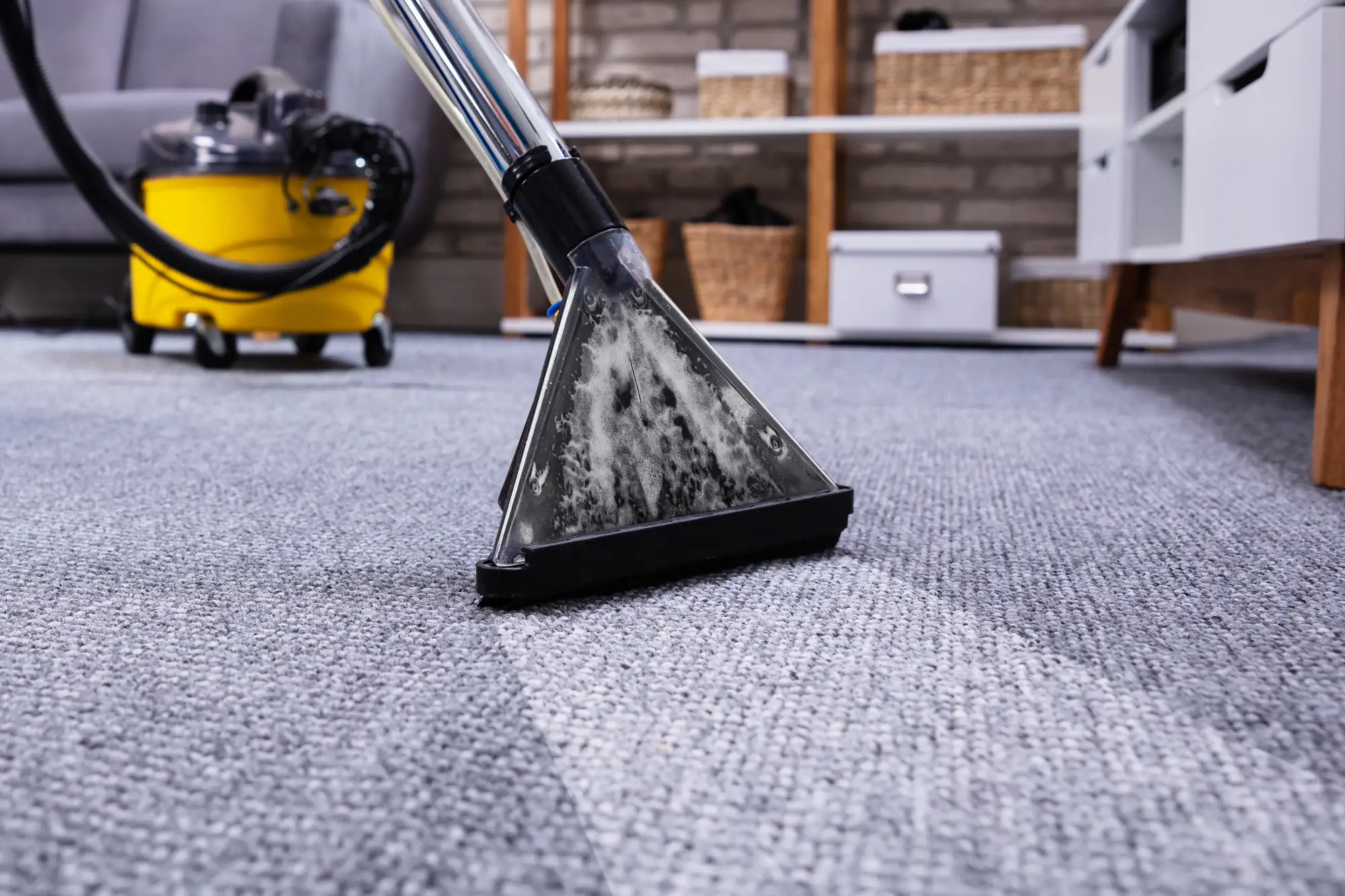
Professional carpet deep cleaning uses commercial-grade portable extractors with water temperatures that rental machines can’t match, and the suction is powerful enough to pull what was pushed down back out. We carry over 30 specialized cleaning products specifically because different carpet fibers, different soil types, and different stain chemistries require different treatments. There’s no single product that handles pet odor, sand abrasion, smoke particulate, and general soiling equally well. Matching the chemistry to the problem is most of what makes a professional cleaning actually work — and it’s most of what makes a rental machine fall short.
Summer is also, counterintuitively, one of the best times to have carpets professionally cleaned for one straightforward reason: they dry faster. Warm air and the ability to open windows significantly reduce drying time, which lowers the risk of moisture sitting in the carpet backing long enough to cause problems. The logistical objection most people have — “I don’t want my rooms out of commission for a whole day” — is least valid in summer.