You’ve probably stood in front of one of those rental kiosks at the grocery store and thought: how hard can it be? Forty bucks, a Saturday afternoon, and your carpets are clean. It’s a reasonable thought — and sometimes it’s even the right call. But sometimes it isn’t, and the difference matters more than most people realize. Whether you’re dealing with a pet accident that keeps coming back, carpets that looked fine right after cleaning but went downhill fast, or you’re just trying to figure out the smartest way to spend your time and money, this guide gives you the honest answer.
What a Carpet Cleaning Machine Rental Can and Cannot Do
Rental machines — the Rug Doctor Big Green, the BISSELL units you see at most grocery and hardware stores — are real machines that do real cleaning. For light surface soil in a low-traffic room with no staining and no odor, they’ll get the job done well enough. That’s worth saying plainly, because the honest answer here isn’t “rental machines are useless.” It’s more nuanced than that.
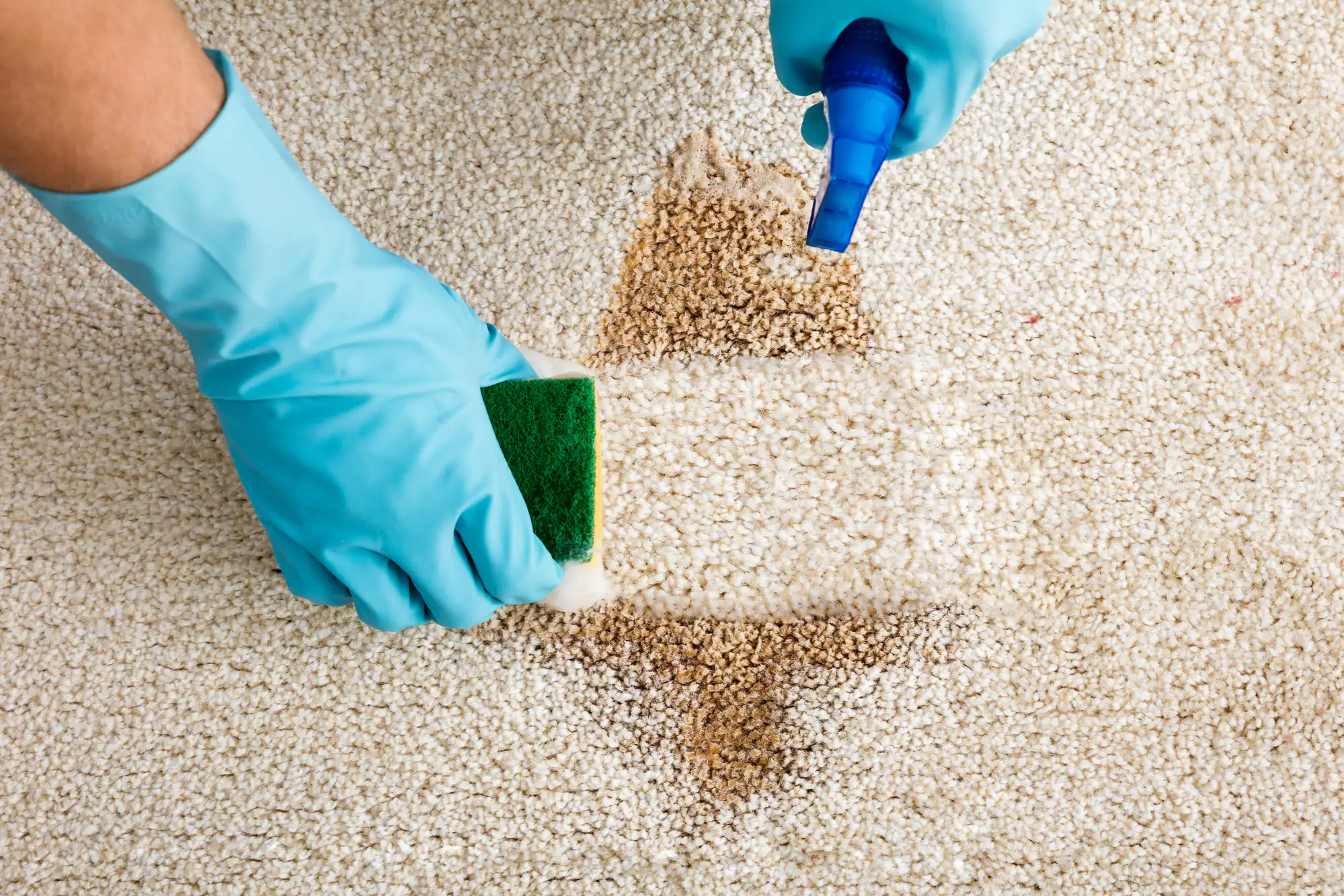
The problem is that most people renting a carpet cleaner aren’t dealing with light surface soil. They’re dealing with pet accidents, tracked-in sand, years of built-up grime, or a stain that’s been sitting since last Thanksgiving. And for those situations, the gap between what a rental machine can do and what a professional system can do is significant — and mostly invisible until after you’ve already spent the afternoon cleaning.
How Rental Machines Compare to Professional Equipment
Here’s where it gets specific, because the word “powerful” gets thrown around a lot without any real numbers behind it. So let’s use numbers.
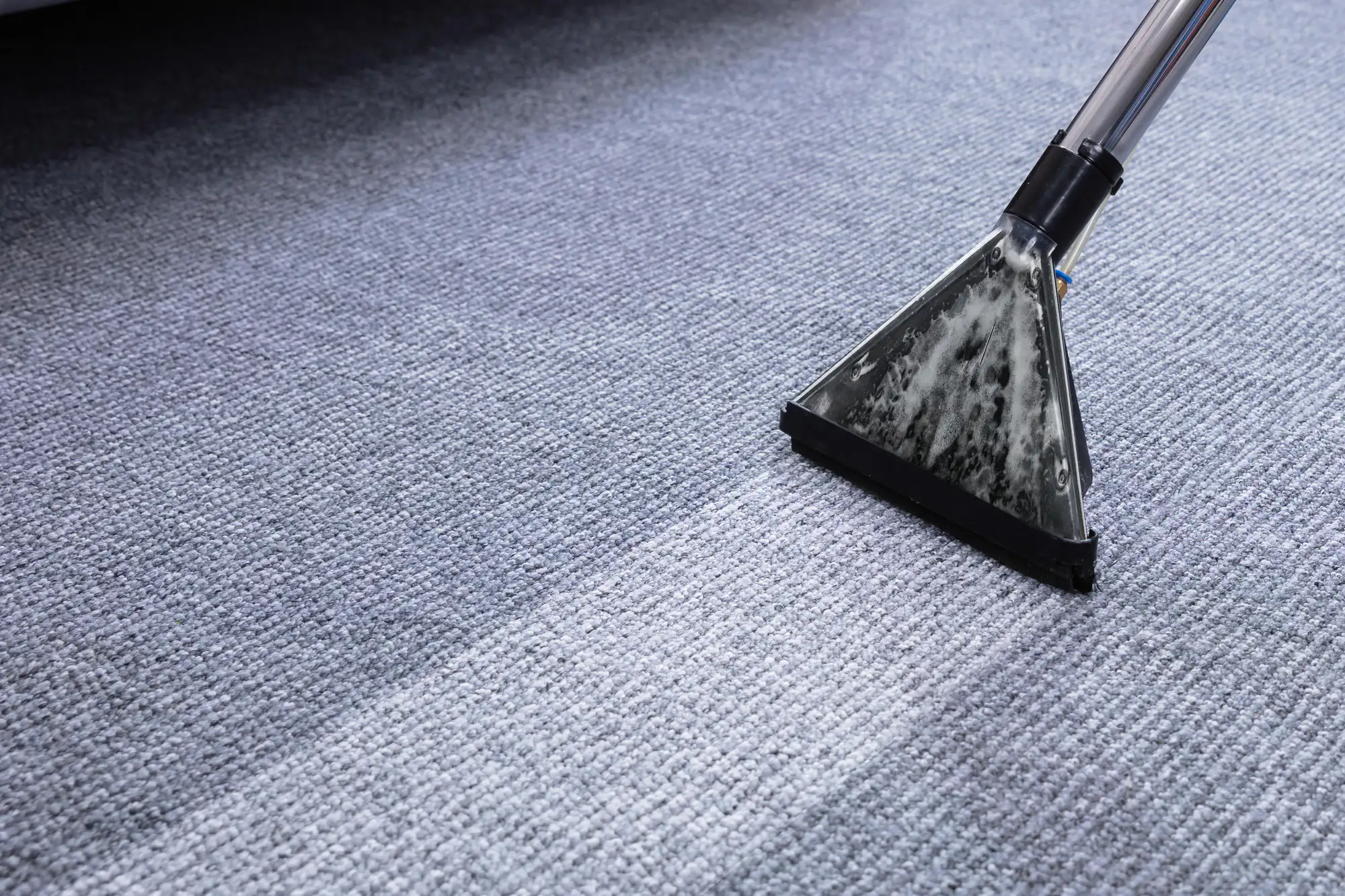
A basic consumer rental extractor operates at around 100 PSI of water pressure. A professional truck-mounted hot water extraction system injects cleaning solution at up to 400 PSI — four times the pressure — at temperatures up to 210°F. That heat matters. At 210 degrees, the water is hot enough to break down bacteria and allergen proteins embedded in carpet fibers. Commercial portable extractors, even the better ones, typically cap out around 149°F. Rental units are lower still.
Then there’s suction. Professional truck-mounted systems pull approximately 450 cubic feet of air per minute through the vacuum hose. That’s the force that actually lifts moisture and soil out of the carpet. Rental machines don’t come close to that airflow — which is the primary reason carpets cleaned with a rental unit stay wet for so much longer.
This isn’t a knock on rental machines for being what they are. They’re consumer tools with consumer-grade motors. But a $15,000 to $45,000 truck-mounted professional system is in a completely different category, and the results reflect that. More pressure means deeper penetration into the fiber. More heat means more effective soil suspension and sanitation. More suction means faster drying and more complete extraction of both water and the cleaning solution itself.
That last point — extraction of the cleaning solution — is where a lot of DIY carpet cleaning quietly goes wrong. Rental machines leave behind a layer of detergent residue in the fibers. You may not notice it immediately, but that residue is sticky, and it attracts dirt. Carpets that were cleaned with a rental machine often re-soil noticeably faster than they did before the cleaning — sometimes within days or weeks. It’s one of the most common complaints about the rental experience, and it’s a direct result of insufficient extraction pressure.
Why Rental Machines Leave Carpets Too Wet in Ventura’s Coastal Climate
Over-wetting is the other big issue, and it’s one that’s particularly relevant in Ventura, CA. The city sits directly on the Pacific Coast, and the marine layer is a real and consistent factor in daily life here. That coastal humidity means wet carpets take significantly longer to dry than they would in a drier inland climate. A carpet left saturated by a rental machine in Ventura isn’t just inconvenient — it’s a genuine mold and mildew risk, especially in the carpet backing and the subfloor beneath.
When a rental machine leaves too much moisture behind, you’re looking at a drying window that can stretch to 24 to 48 hours or more under normal conditions. In Ventura’s humid coastal environment, that window extends further. Mold can begin developing in damp organic material within 24 to 48 hours under the right conditions, and carpet backing and padding provide exactly the kind of environment where it takes hold.
This isn’t a worst-case scare scenario — it’s a documented pattern. It’s one of the most frequently reported complaints among consumers who’ve used rental machines, and it’s the reason professional cleaning systems are designed around extraction power as much as cleaning power. The faster you pull moisture out of the carpet, the smaller the window for problems to develop.
There’s also the pet urine issue, which deserves its own honest explanation. Urine doesn’t stay in the carpet fibers — it soaks through the backing and into the padding beneath. A rental machine cleans the surface, but it doesn’t reach the padding. The carpet may smell fine while it’s wet, but as it dries and warms, the bacteria in the padding activate and the odor returns. This is why so many pet owners have the experience of cleaning their carpet, thinking it worked, and then noticing the smell come back a week later. It’s not the machine failing to clean — it’s the machine cleaning the wrong layer.
For Ventura households with dogs — and given the area’s outdoor lifestyle, the trails at Arroyo Verde Park, the beach access at Surfers’ Point, the general culture of active, pet-friendly living — this is a very common scenario. Enzyme-based professional treatments that reach the padding are the only thing that actually eliminates the odor source, not just masks it temporarily.