Most people search for a rug cleaning service after something goes wrong — a pet accident, a stubborn stain, or a smell that just won’t quit no matter how many times you vacuum. And once you start looking, you quickly realize that not all cleaners operate the same way, prices vary wildly, and nobody seems to explain what they’re actually going to do to your rug.
That’s what this page is for. We’ll walk you through what a professional rug cleaning service actually involves, why the process matters, and what questions are worth asking before you hand over anything valuable. No fluff — just a straight answer to a question most cleaning companies never bother to address.
What Professional Rug Cleaning Actually Involves
Professional rug cleaning is not the same as running a rental machine over your floor. The process is more deliberate, more technical, and — when done correctly — far more thorough than anything a consumer-grade tool can replicate.
A proper clean starts before any water or solution is ever applied. We inspect the rug first — fiber type, weave construction, existing damage, colorfastness, and the nature of any stains. That inspection determines everything that comes after. Using the wrong method on the wrong rug is how colors bleed, fibers shrink, and a $1,500 wool rug ends up looking worse than when we started.
Professional Area Rug Cleaning: What Happens at Each Stage
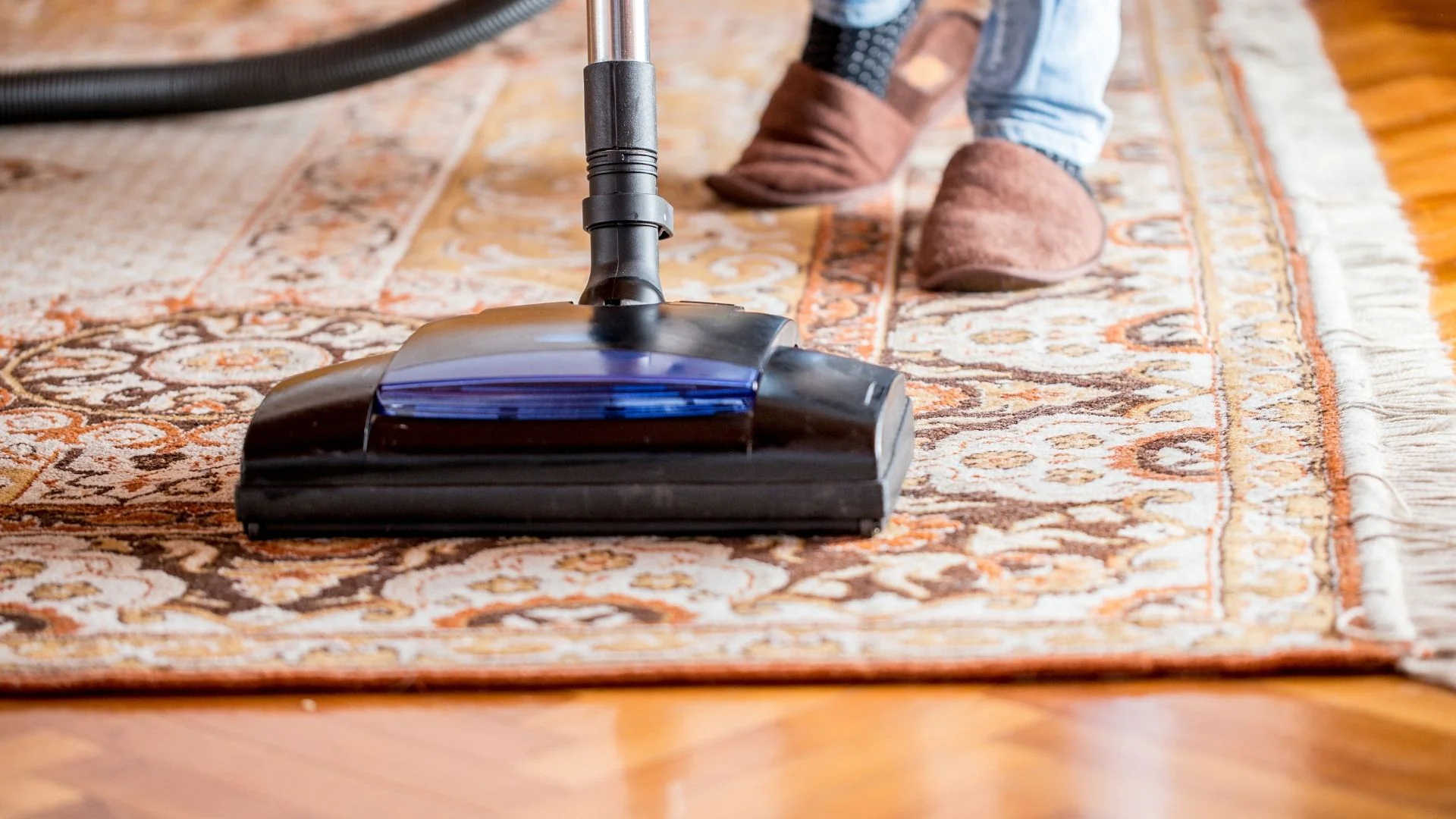
Once the inspection is done, the first real step is dry soil removal. This part gets skipped more often than it should, and it matters more than most people realize. When dry particles — grit, sand, pet dander, dust — get wet before they’re removed, they turn into a muddy slurry that works deeper into the rug’s foundation. Getting them out first, through specialized dusting or thorough vacuuming on both sides, is what makes the rest of the process actually work.
From there, any specific stains get pre-treated with solutions matched to both the stain type and the fiber. A pet urine stain on a synthetic rug is handled differently than an oil-based stain on wool. This is where carrying the right chemistry matters — a cleaner with a handful of all-purpose products is going to make judgment calls that a specialist with the right tools for each situation simply doesn’t have to make.
Then comes the main cleaning method — and this is where fiber type really drives the decision. Hot water extraction works well for synthetic rugs. Wool, silk, and handwoven natural fiber rugs often require a low-moisture or immersion approach, because saturating them with steam can cause browning, shrinkage, or dye migration. There’s no universal method that works for every rug, which is exactly why the inspection step isn’t optional.
After washing comes rinsing — thorough enough to remove every trace of cleaning solution. Residue left in the fibers is one of the most common causes of re-soiling. A rug that looks clean for two weeks and then seems to attract dirt faster than before is almost always a rinsing problem. We know this, so we rinse accordingly.
Finally, the rug needs to dry — properly and completely. Moisture left in the foundation is how mold and mildew start, and that’s a problem that can ruin a rug from the inside out. Our professional equipment can extract well over 90% of moisture quickly, and controlled drying conditions — often with the rug hung vertically — handle the rest. Once dry, the fibers get groomed back to their natural direction, and fringe is cleaned separately by hand if needed.
Why the DIY Approach Tends to Fall Short
Rental machines like the Rug Doctor are genuinely useful for some things. A lightly soiled wall-to-wall carpet in a low-traffic room? Reasonable option. A wool area rug, a Persian, or anything with natural fibers or high value? That’s where things tend to go sideways.
The core problem is moisture. Consumer rental machines don’t extract water the way professional equipment does. When a rug stays wet for too long — especially in a home without ideal airflow — you’re looking at mold risk, fiber damage, and a smell that’s often worse than what you started with. We’ve had customers throughout Ventura County call us specifically to fix a rug after a DIY attempt left it smelling musty and feeling stiff. It’s a more common situation than most people expect.
There’s also the chemistry issue. Rental machines come with a general-purpose cleaning solution. That’s fine for general-purpose situations. But if you have a rug with specific fiber sensitivities, existing dye instability, or a stain that requires a targeted treatment, a general solution either won’t work or will make things worse. The right product for the job depends on knowing what the job actually is — and that requires an inspection, not a guess.
The cost comparison also shifts when you factor in risk. For a rug valued at more than a few hundred dollars, the potential cost of damage from an improper DIY clean can easily exceed what a professional service would have charged. For high-value or sentimental pieces — a family heirloom, a handwoven Persian, anything you’d genuinely miss — the math heavily favors professional cleaning.