Carpet Cleaning in Santa Paula, CA
Orchard Dust Settles Deep Surface Cleaning Won't Reach It
Santa Paula homes deal with a level of fine particulate that most carpet cleaners aren’t built to handle. We’re built specifically for it.
Hear From Our Clients
Deep Carpet Cleaning Santa Paula, CA
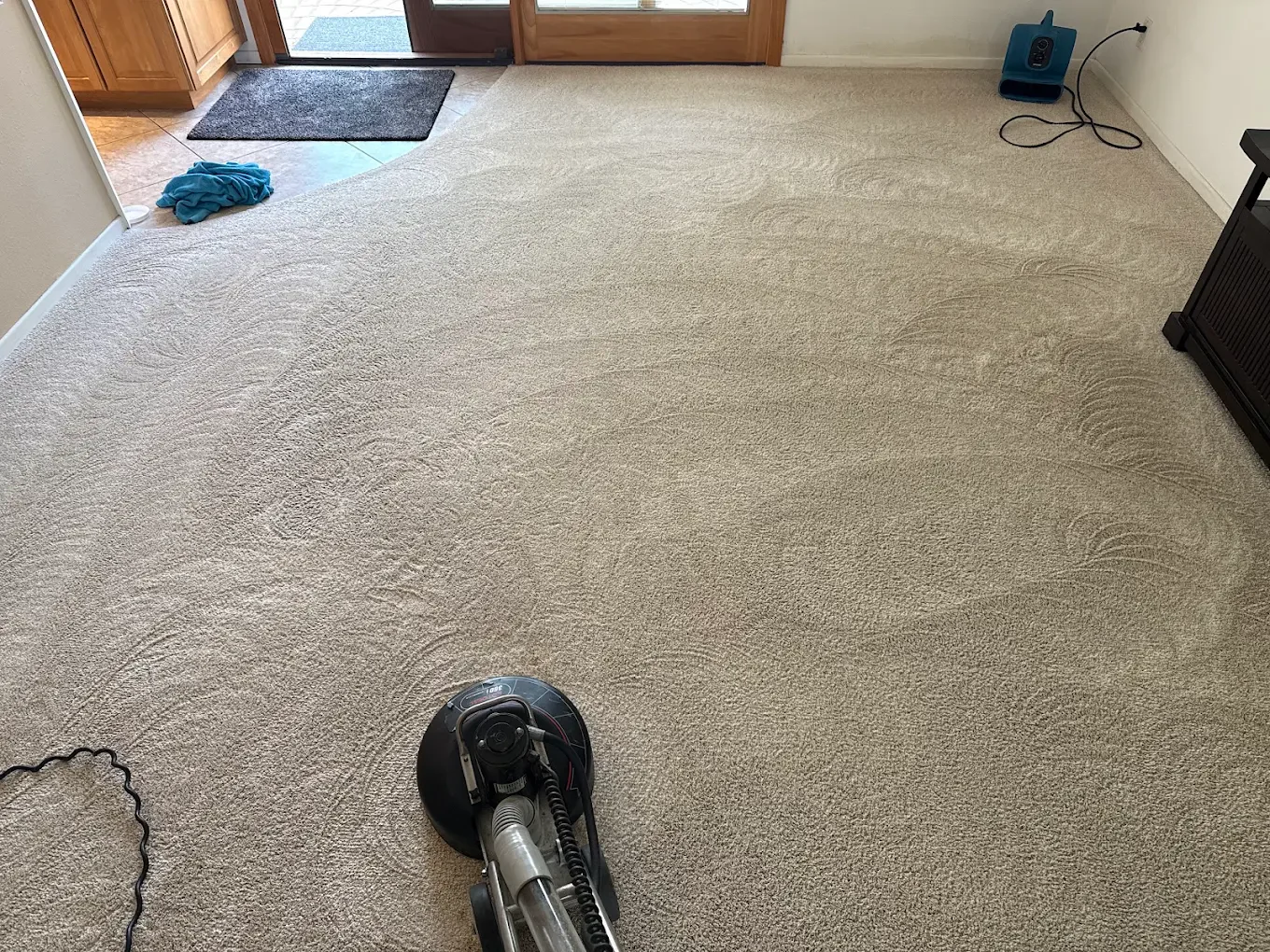
Living in the Santa Clara River Valley has real rewards. But when you’re surrounded by working citrus groves and avocado orchards, your home is constantly pulling in fine agricultural dust, pollen, and particulate that settles deep into carpet fibers. Regular vacuuming moves it around. It doesn’t pull it out.
Professional hot water extraction does and that’s the difference you’ll notice the moment you walk across a freshly cleaned floor. For families in Santa Paula, especially households with kids under 18, what’s living in your carpet matters more than what’s sitting on top of it. Allergens, pet dander, tracked-in orchard soil, and residue from seasonal Santa Ana winds all work their way into the fiber base over time.
Once they’re flushed out with proper deep extraction, the air in your home feels different. The carpet looks cleaner longer. You’re not re-vacuuming the same dust three days later.
If your home was anywhere near the SR-126 corridor during the Thomas Fire in December 2017, or during any fire season since, there’s a real chance smoke particulate and ash residue are still embedded in your carpet especially if it’s never been professionally extracted. Hot water extraction removes what vacuuming and surface cleaning leave behind.
Trusted Carpet Cleaning Company Santa Paula, CA
Vanpro Carpet Cleaning is owned and operated by Will Cave, and he personally handles every single job assessment, cleaning, and final walkthrough. There’s no crew being dispatched, no rotating technicians, no one showing up who doesn’t know your home or your expectations. When you book with us, you know exactly who’s coming.
Will has more than 10 years of hands-on experience in the carpet cleaning industry, including time spent working for large-name companies before starting Vanpro. He’s seen how the franchise model works from the inside the rushed jobs, the upselling pressure, the focus on volume over results. We built Vanpro specifically as the opposite of that.
We serve homeowners throughout Ventura County, including the historic neighborhoods of Santa Paula from the Craftsman bungalows in McKevett Heights to the newer homes in the Harvest at Limoneira development on the city’s east side. Whether your home is 100 years old or brand new, our approach is the same: assess first, clean thoroughly, leave nothing behind.
Hot Water Extraction Method Santa Paula, CA
Before anything gets wet, Will walks through your space and talks with you about your goals whether that’s eliminating a pet odor, lifting years of embedded agricultural dust, or establishing a clean baseline in a newly built home. That conversation shapes how the job is done. It’s not a standard checklist applied to every house the same way.
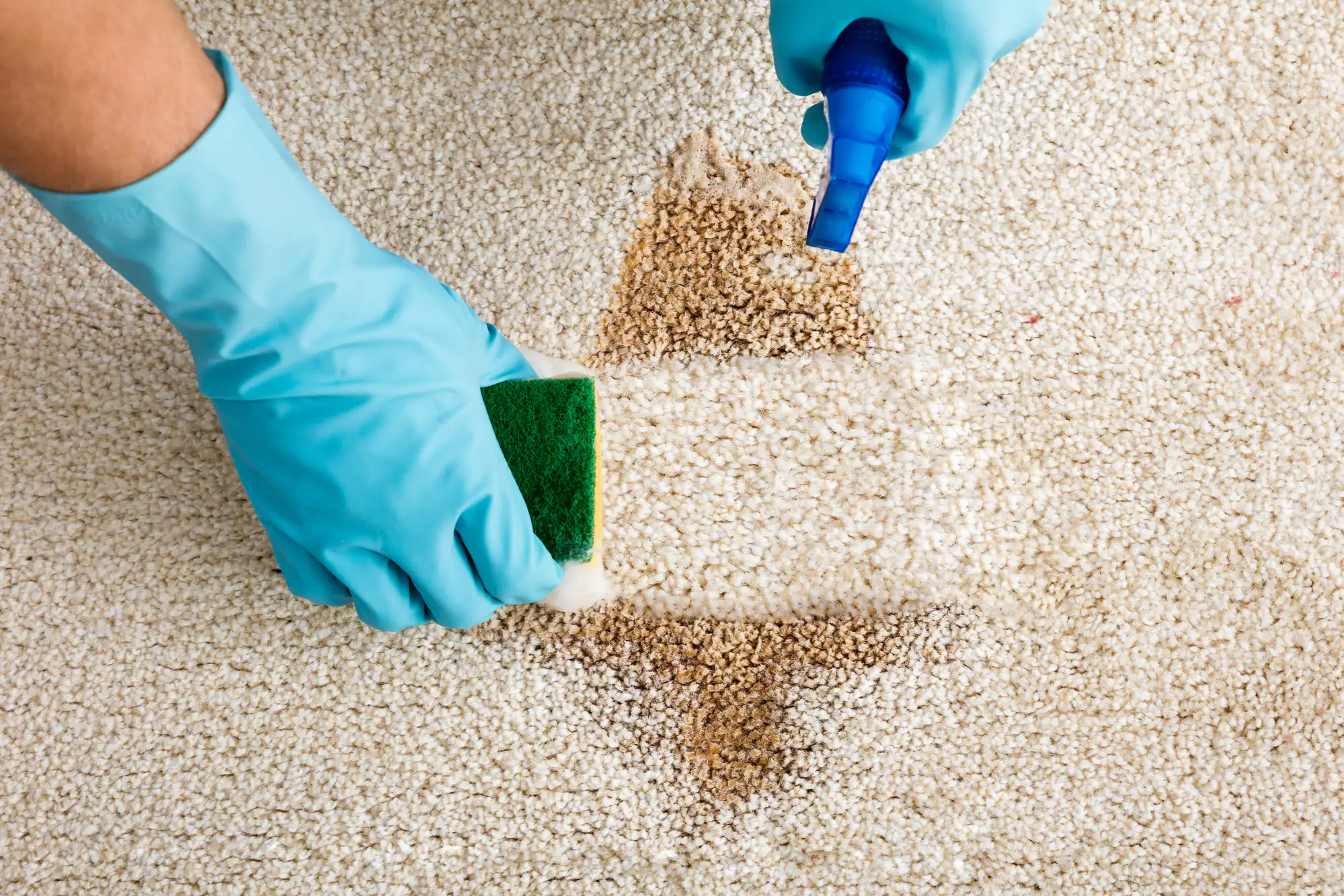
From there, we move into pre-treatment. Any stains or problem areas are treated with the appropriate solution before the main extraction begins. For pet stains specifically, UV blacklight is used to locate every spot including dried, set stains that aren’t visible to the naked eye. Enzyme-based pre-treatment then breaks down the urine compounds at a molecular level before extraction pulls them out completely.
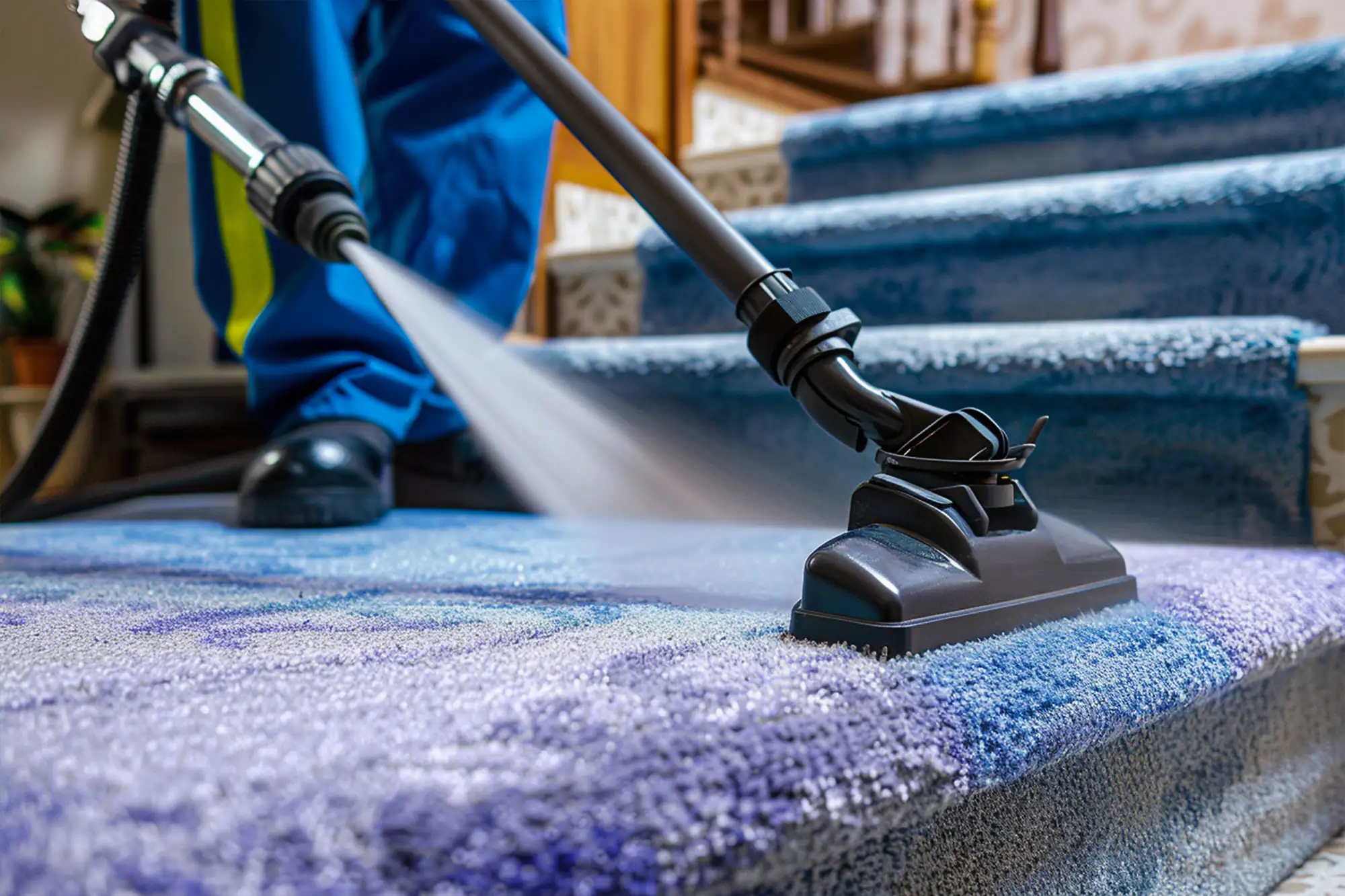
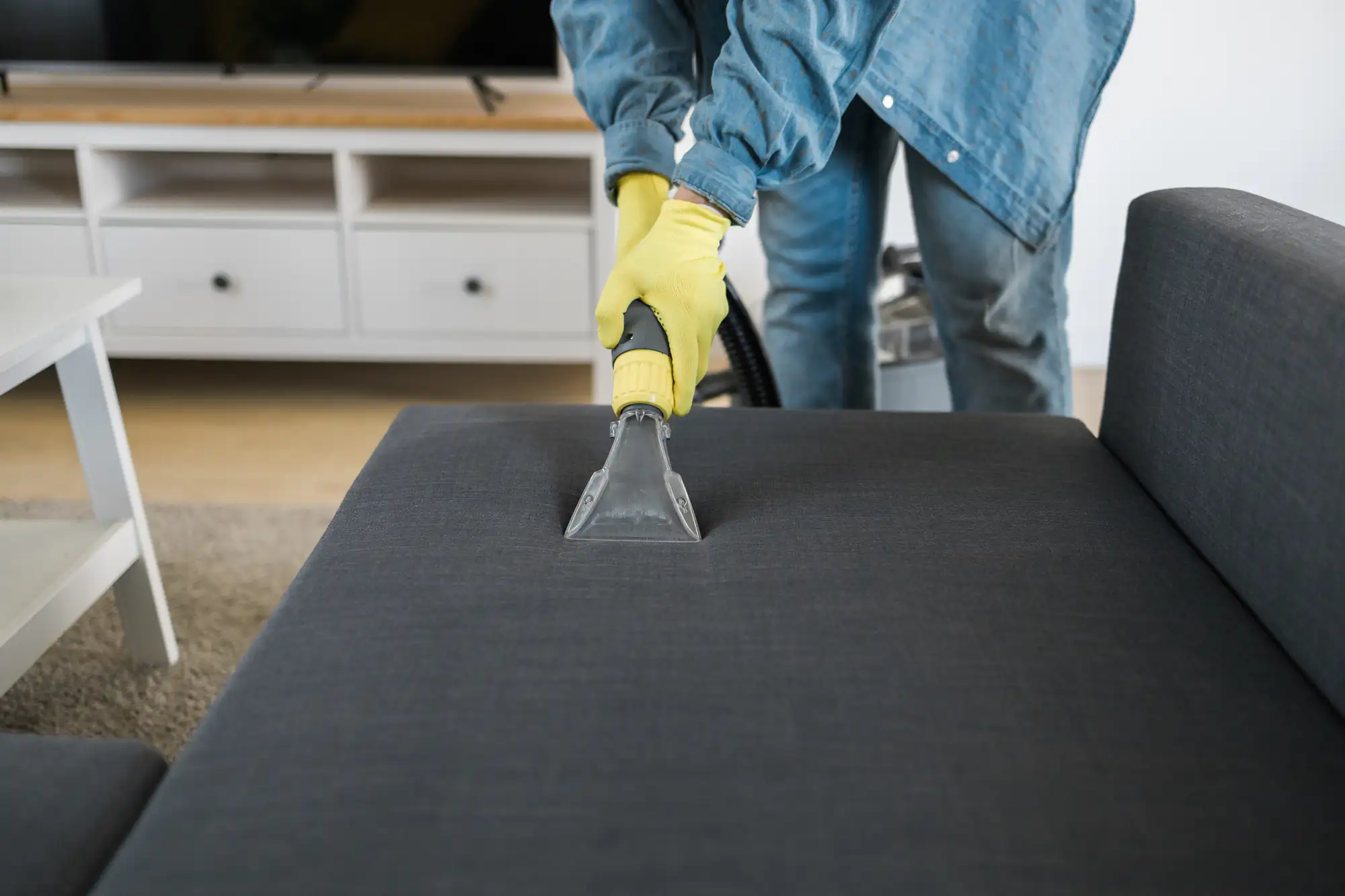
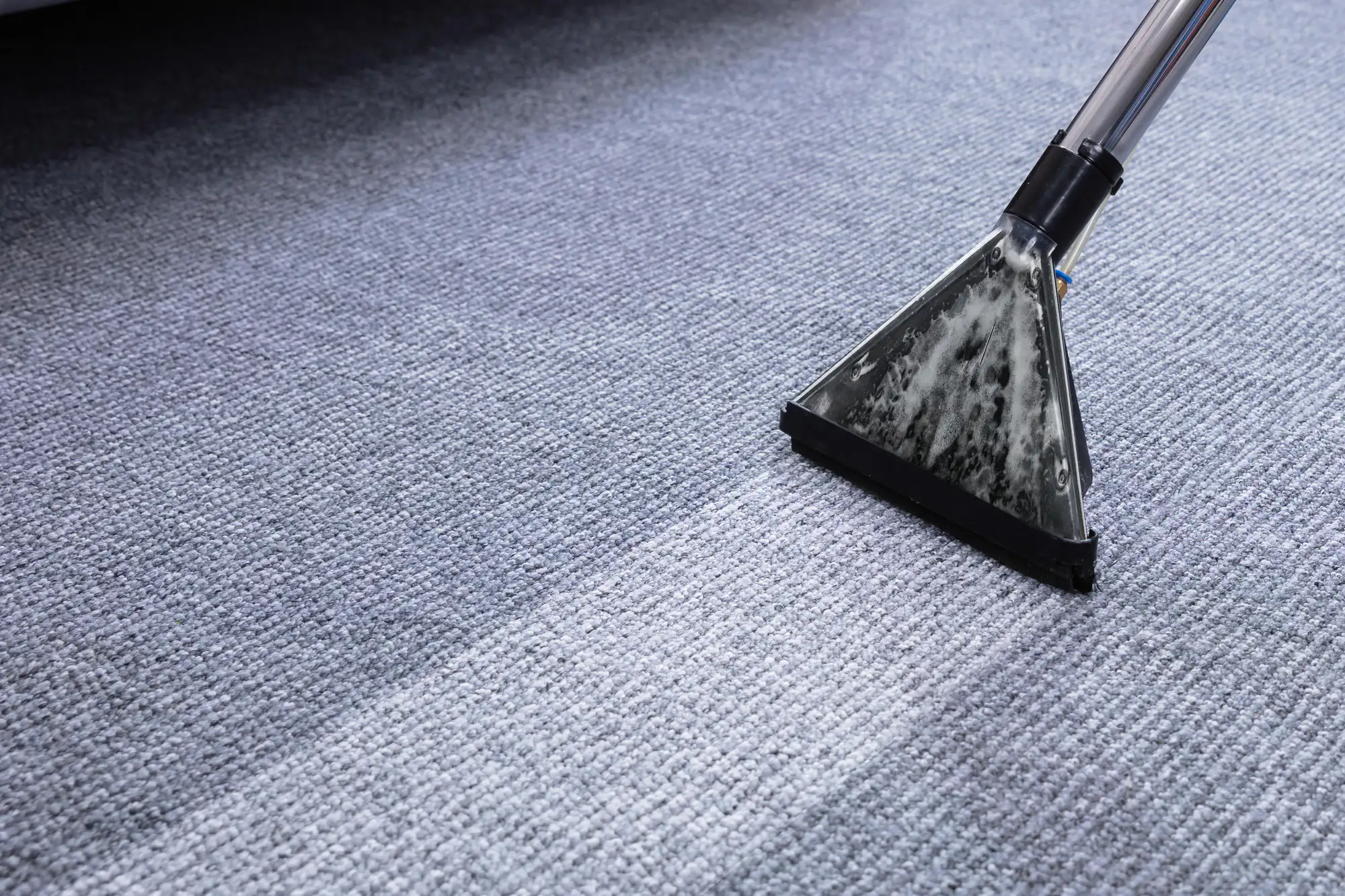
The extraction itself is done slowly and deliberately using hot water, which flushes soil, allergens, and cleaning solution from deep in the fiber. This matters especially in Santa Paula homes that deal with fine orchard dust and seasonal particulate buildup a fast pass won’t reach the base of the fiber. After extraction, your carpets will typically need four to eight hours to dry fully, depending on airflow and humidity.
That window is a sign the job was done right. Open windows along the SR-126 side of your home or run a fan to move air through and you’ll be walking on dry carpet by evening.
Ready to get started?
Pet Stain and Odor Removal Santa Paula, CA
We handle residential carpet cleaning across a wide range of home types and conditions and Santa Paula presents a specific set of challenges that generic cleaning services aren’t equipped to address well. The combination of agricultural dust infiltration from the surrounding orchards, older housing stock in neighborhoods like McKevett Heights and the Main Street corridor, and the ongoing wildfire smoke risk that comes with living in the foothills east of Ventura means your carpets are working harder than most.
For homes with pets, the UV blacklight detection step isn’t optional it’s built into every pet odor and stain job. Finding every affected spot before treatment is the only way to actually eliminate the odor rather than mask it temporarily. For older homes with original or early-replacement carpet, our slow extraction method protects against over-wetting that could compromise aging subfloors. For newer construction in the Harvest at Limoneira development, a post-move-in deep clean removes the drywall dust and installation debris that settles into new carpet fibers before you ever unpack a box.
There are no named packages or bundles every job is quoted based on what your home actually needs. We commit to this: no upselling once you’ve booked, no hidden fees when the invoice arrives, and a personal satisfaction guarantee that means Will returns himself if the results fall short of what was promised.
Does agricultural dust from Santa Paula's orchards really affect my carpet that much?
It genuinely does, and it’s one of the more underappreciated factors in how quickly Santa Paula carpets degrade between cleanings. The citrus and avocado orchards surrounding the city generate fine particulate matter year-round from tractor operations, harvesting activity, and the movement of packing trucks along SR-126. During Santa Ana wind events in the fall, that fine dust gets pushed into homes through gaps around windows and doors, and it settles deep into carpet fibers rather than sitting on the surface where a vacuum can reach it.
Standard household vacuums are effective at pulling debris from the top layer of carpet, but they don’t have the suction power or the water-based flushing mechanism to extract fine particulate from the base of the fiber. Over time, that buildup compresses into the carpet pile and contributes to dullness, increased allergen load, and odor. Hot water extraction reaches where vacuuming can’t it flushes the fiber from the base up, removing what’s been accumulating for months or years.
For Santa Paula homes near orchard perimeters or along the SR-126 corridor, professional cleaning every six to twelve months is a practical maintenance schedule, not an upsell.
Can carpet cleaning actually remove smoke and ash residue from wildfire season?
Yes and for Santa Paula residents, this is a more relevant question than it might be in other parts of Ventura County. The Thomas Fire started near Santa Paula in December 2017, and homes along the SR-126 and SR-150 corridors experienced some of the most direct smoke and ash exposure of any community in the county. Even for homes that weren’t structurally damaged, smoke particulate and ash residue settled onto every surface including carpet fibers and standard vacuuming can actually make it worse by stirring fine particles back into the air rather than removing them.
Hot water extraction physically flushes these compounds out of the fiber rather than redistributing them. The EPA and other indoor air quality authorities specifically recommend professional extraction cleaning for smoke-impacted carpets not dry vacuuming, not surface sprays. If your home has never had a professional deep extraction since the 2017 fire, or since any subsequent fire season, there’s a reasonable chance residue is still present in the fiber, especially for homes that had windows open during smoke events.
How long will my carpets take to dry after a professional cleaning in Santa Paula?
Most carpets dry within four to eight hours after hot water extraction, depending on the level of soiling, the carpet fiber type, airflow in the home, and ambient humidity. Santa Paula’s warm, dry climate works in your favor here carpets typically dry on the faster end of that range. During the wet season from December through March, when the Santa Clara River valley sees higher humidity, drying may take a little longer, so scheduling your cleaning earlier in the day gives the carpet more time to dry before evening.
The best thing you can do to speed drying is open windows and run ceiling fans or portable fans through the cleaned areas. If you’re in a newer build in the Harvest at Limoneira development, the tighter construction means less natural air exchange, so running your HVAC fan on circulation mode helps move air through the space. Walking on the carpet before it’s fully dry is fine just avoid shoes with heavy soles or anything that could track in new soil while the fibers are still slightly damp.
I have an older home in McKevett Heights is hot water extraction safe for my carpet?
Hot water extraction is safe for the vast majority of carpet types, including the older carpets commonly found in Santa Paula’s historic neighborhoods like McKevett Heights and the Main Street corridor. The key variable isn’t the method itself it’s how the method is applied. Over-wetting is the real risk with older carpets and aging subfloors, and that’s a function of technique, not the process.
A slow, controlled extraction that removes water as thoroughly as it applies it won’t leave your carpet saturated or put moisture into a subfloor that can’t handle it. Before any cleaning begins, Will assesses the carpet type, condition, and the subfloor situation particularly relevant in homes that are 50 to 100 years old, where original wood subfloors may be present beneath the carpet. That assessment shapes how the job is approached.
Older, more delicate fibers get treated with gentler pre-treatment solutions and a more careful extraction pass. The goal is always to clean thoroughly without creating a new problem in the process, and that requires someone who’s paying attention to your specific home not running the same program on every job regardless of what’s underfoot.
How often should I professionally clean my carpets given Santa Paula's dusty conditions?
The general industry recommendation is every six to twelve months for most residential homes. But Santa Paula’s specific conditions agricultural dust from the surrounding orchards, seasonal Santa Ana winds that drive fine particulate into homes, and the elevated wildfire smoke exposure that comes with living in the foothills east of Ventura push that recommendation toward the more frequent end of the range for many households here.
If your home has pets, young children, or anyone with allergies or respiratory sensitivities, every six months is a reasonable target. If you live near the orchard perimeters on the edges of the city or along the SR-126 corridor where truck traffic and field activity are heaviest, you’ll likely notice the difference between a six-month and a twelve-month schedule pretty clearly. For newer homes in the Harvest at Limoneira development where construction dust may still be working its way out of the fiber, an initial professional cleaning within the first year of occupancy is a good baseline to establish before moving to a regular maintenance schedule.
What's the difference between hot water extraction and renting a machine from the hardware store?
The difference comes down to suction power and water management and both matter significantly. Consumer rental machines like the ones available at hardware stores along the SR-126 corridor apply water and cleaning solution reasonably well, but they don’t have the extraction power to pull that water back out effectively. The result is a carpet that’s left wetter than it should be, with residual moisture that takes much longer to dry and creates a real risk of mildew in the pad especially during Santa Paula’s wetter winter months when ambient humidity is higher.
Beyond the moisture issue, rental machines leave behind cleaning solution residue in the fiber because they don’t rinse thoroughly. That residue acts as a dirt magnet your carpet may look clean for a week or two and then re-soil faster than it did before you cleaned it. Professional hot water extraction uses equipment with significantly more suction, applies a proper rinse cycle, and removes both the soil and the cleaning solution from the fiber.
The end result is a carpet that’s cleaner at a deeper level, dries faster than a rental job, and stays cleaner for longer. Several of our customers in the area have called after a rental machine attempt that left their carpets worse than before it’s a common enough experience that it’s worth knowing upfront.
Useful Links
Other Services we provide in Santa Paula
- Area Rug Cleaning in Bardsdale, CA
- Area Rug Cleaning in Bartolo Square North
- Area Rug Cleaning in Bartolo Square South
- Area Rug Cleaning in Bell Canyon
- Area Rug Cleaning in Camarillo, CA
- Area Rug Cleaning near Casa Conejo, CA
- Area Rug Cleaning in Casitas Springs, CA
- Area Rug Cleaning in Channel Islands Beach
- Area Rug Cleaning in College Estates, CA
- Area Rug Cleaning in East Village
- Area Rug Cleaning in El Rio
- Area Rug Cleaning in Fillmore, CA
- Area Rug Cleaning in Five Points Northeast
- Area Rug Cleaning in Hobson Park East, CA
- Area Rug Cleaning in Hobson Park West
- Area Rug Cleaning in La Conchita
- Area Rug Cleaning in Lake Sherwood
- Area Rug Cleaning in Live Oak Acres
- Area Rug Cleaning in Marina West
- Area Rug Cleaning in Meiners Oaks
- Area Rug Cleaning in Mira Monte, CA
- Area Rug Cleaning in Moorpark Home Acres, CA
- Area Rug Cleaning in Moorpark
- Area Rug Cleaning in Mountclef Village, CA
- Area Rug Cleaning in Nyeland Acres
- Area Rug Cleaning in Oak Park, CA
- Area Rug Cleaning in Oak View, CA
- Area Rug Cleaning in Oak Village
- Area Rug Cleaning in Ojai, CA
- Area Rug Cleaning in Oxnard Beach
- Area Rug Cleaning in Oxnard, CA
- Area Rug Cleaning in Piru, CA
- Area Rug Cleaning in Pleasant Valley Estates
- Area Rug Cleaning in Pleasant Valley Village
- Area Rug Cleaning in Port Hueneme
- Area Rug Cleaning in Rose Park, CA
- Area Rug Cleaning in San Buenaventura, CA
- Area Rug Cleaning in Santa Paula, CA
- Area Rug Cleaning in Santa Rosa Valley
- Area Rug Cleaning in Santa Susana
- Area Rug Cleaning in Saticoy, CA
- Area Rug Cleaning in Sea View Estates
- Area Rug Cleaning in Sespe Village
- Area Rug Cleaning in Simi Valley
- Area Rug Cleaning in Somis, CA
- Area Rug Cleaning in Terrace Estates, CA
- Area Rug Cleaning in Thousand Oaks
- Area Rug Cleaning in West Village
- Area Rug Cleaning in Wheeler Springs
- Area Rug Cleaning in Windsor North River Ridge
- Carpet Cleaning in Bardsdale, CA
- Carpet Cleaning in Bartolo Square North
- Carpet Cleaning in Bartolo Square South
- Carpet Cleaning in Bell Canyon, CA
- Carpet Cleaning in Camarillo, CA
- Carpet Cleaning in Casa Conejo, CA
- Carpet Cleaning in Casitas Springs, CA
- Carpet Cleaning in Channel Islands Beach
- Carpet Cleaning in College Estates
- Carpet Cleaning in East Village, CA
- Carpet Cleaning in El Rio, CA
- Carpet Cleaning in Fillmore, CA
- Carpet Cleaning in Five Points Northeast
- Carpet Cleaning in Hobson Park East
- Carpet Cleaning in Hobson Park West
- Carpet Cleaning in La Conchita
- Carpet Cleaning in Lake Sherwood, CA
- Carpet Cleaning in Live Oak Acres, CA
- Carpet Cleaning in Marina West
- Carpet Cleaning in Meiners Oaks, CA
- Carpet Cleaning in Mira Monte, CA
- Carpet Cleaning in Moorpark Home Acres, CA
- Carpet Cleaning in Moorpark, CA
- Carpet Cleaning in Mountclef Village
- Carpet Cleaning in Nyeland Acres
- Carpet Cleaning in Oak Park, CA
- Carpet Cleaning in Oak View, CA
- Carpet Cleaning in Oak Village
- Carpet Cleaning in Ojai, CA
- Carpet Cleaning in Oxnard Beach
- Carpet Cleaning in Oxnard, CA
- Carpet Cleaning in Piru, CA
- Carpet Cleaning in Pleasant Valley Estates
- Carpet Cleaning in Pleasant Valley Village
- Carpet Cleaning in Port Hueneme, CA
- Carpet Cleaning in Rose Park, CA
- Carpet Cleaning in San Buenaventura, CA
- Carpet Cleaning in Santa Paula, CA
- Carpet Cleaning in Santa Rosa Valley
- Carpet Cleaning in Santa Susana, CA
- Carpet Cleaning in Saticoy, CA
- Carpet Cleaning in Sea View Estates
- Carpet Cleaning in Sespe Village, CA
- Carpet Cleaning in Simi Valley
- Carpet Cleaning in Somis, CA
- Carpet Cleaning in Terrace Estates