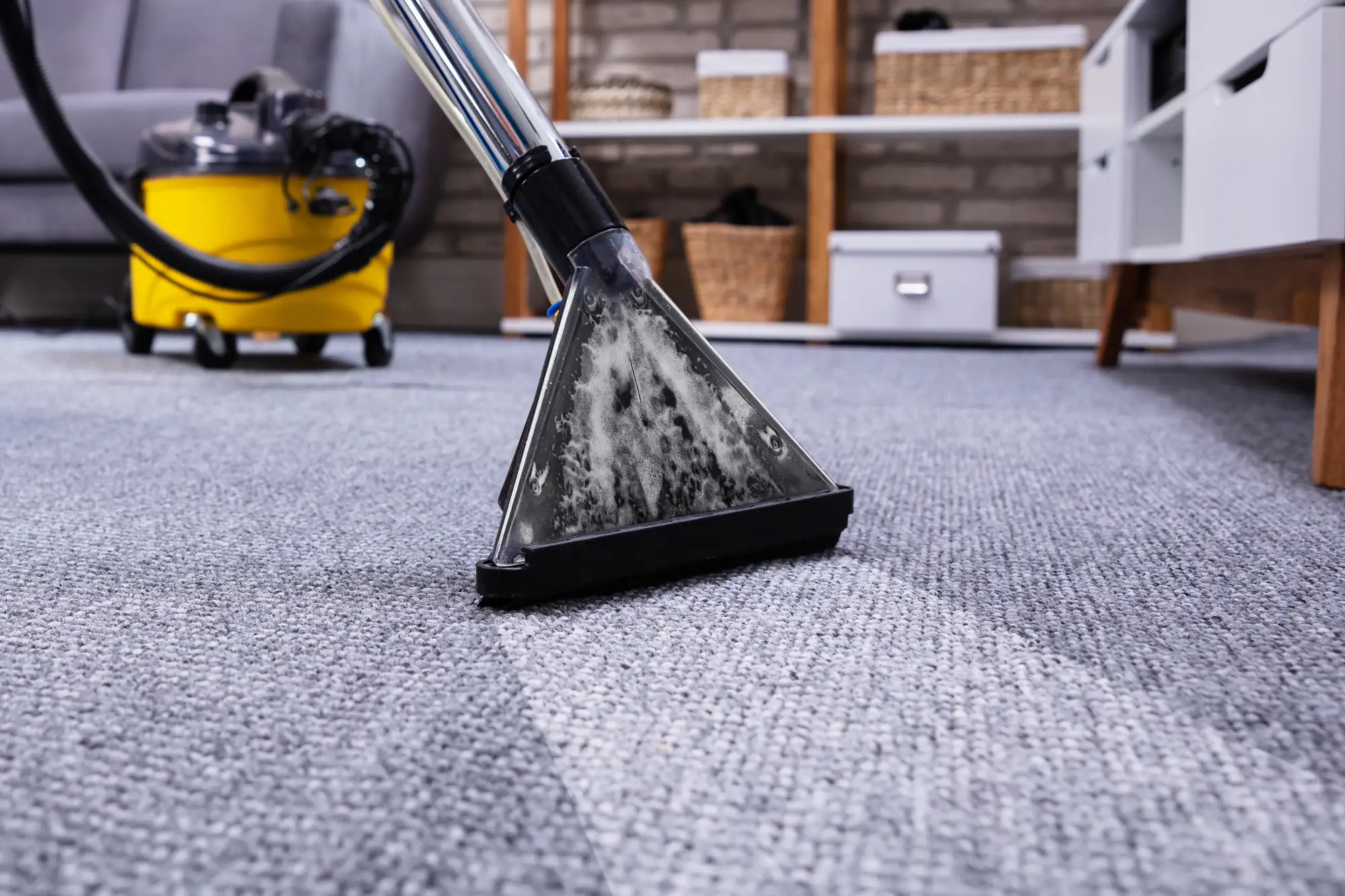
You’ve blotted, sprayed, scrubbed, and maybe even rented a machine. For a day or two, things smell fine. Then the humidity rolls in off the coast — or your dog walks across that spot again — and it’s back. That smell. If this sounds familiar, you’re not doing anything wrong. The problem is that most pet stain removers are designed to treat the surface of your carpet, and pet urine doesn’t stay on the surface. Understanding where it actually goes — and what it takes to get it out — changes everything about how you approach the fix.
Pet Odor Removal: Why the Smell Keeps Coming Back
The frustrating truth about pet odor in carpet is that it’s a chemistry problem, not a cleanliness problem. When a pet urinates on carpet, the liquid moves quickly — through the fibers, through the backing, and often straight into the pad underneath. That’s where most of the damage happens, and it’s also where most DIY products simply can’t reach.
As urine dries, it leaves behind uric acid crystals. These crystals are colorless, which is why the carpet can look perfectly clean while still smelling like a kennel. They’re also not water-soluble, which is why water-based sprays and rental extractors don’t break them down. They just get wet, temporarily release their odor, and then dry out and settle back in — waiting for the next source of moisture to reactivate them.
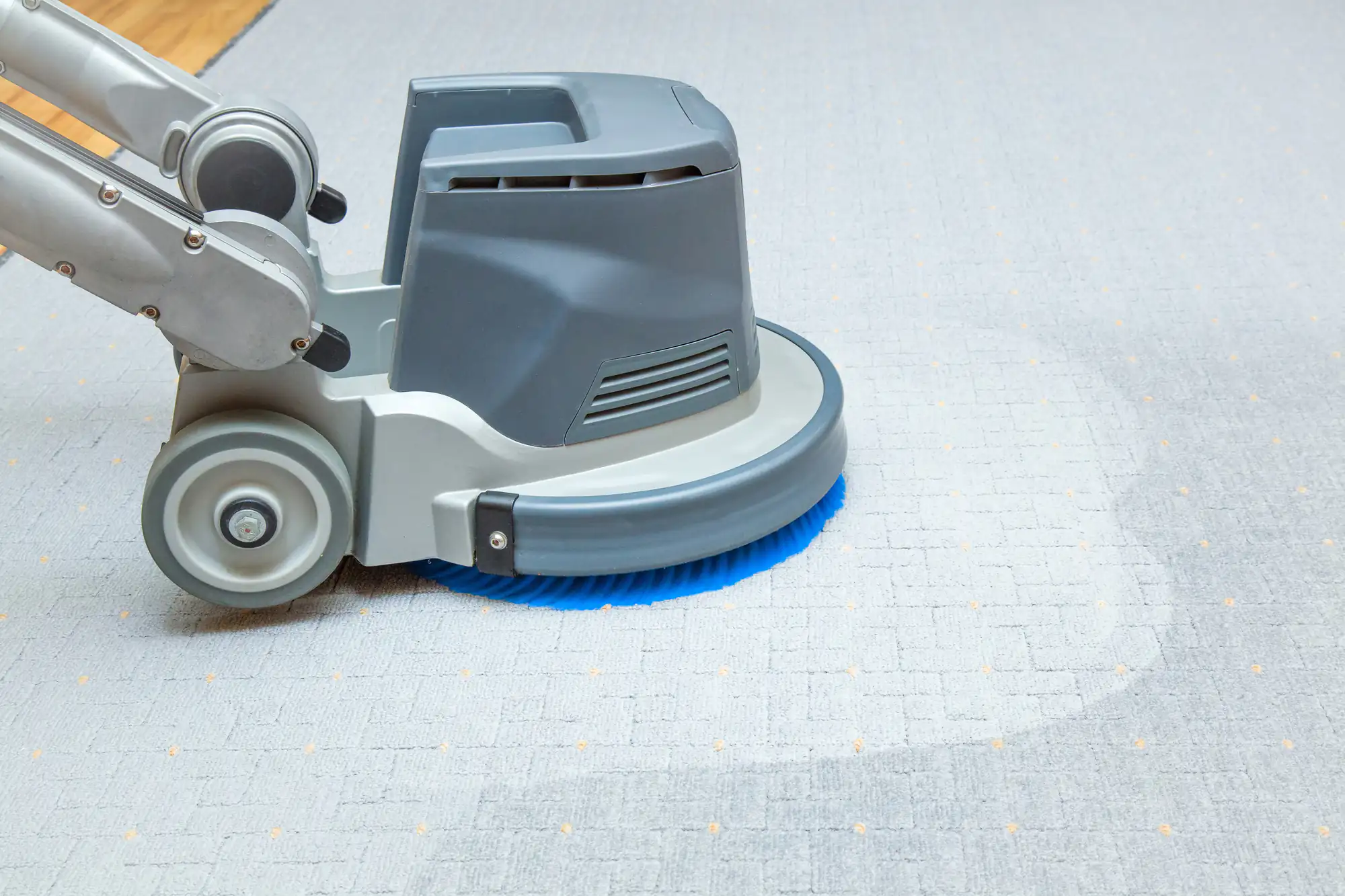
Why Does Pet Urine Smell Come Back After Cleaning?
This is the question we hear most often, and the answer comes down to one thing: urine salts. When pet urine dries, it doesn’t just disappear — it leaves behind a residue of salts and organic compounds that are hygroscopic, meaning they actively draw moisture from the surrounding air. When that moisture arrives — whether from a humid morning, a damp cleaning cloth, or the steam from a carpet cleaner — those salts reactivate and release odor all over again.
For Ventura County homeowners, this is a particularly persistent problem. The coastal marine layer that rolls in from the Pacific most mornings creates exactly the kind of ambient humidity that reactivates dormant urine salts in carpet. Residents near the coast in Ventura and Oxnard often notice the smell returning on overcast mornings even when the carpet appears completely dry. It’s not that the cleaning didn’t work — it’s that the source was never fully removed.
This is also why baking soda and vinegar, despite being popular home remedies, don’t solve the problem. They can neutralize surface odors temporarily, but they can’t break down uric acid crystals embedded in the carpet backing and pad. The same goes for most enzyme sprays on store shelves. Enzyme cleaners work by breaking down organic material through biological activity, but they need time — sometimes 12 to 24 hours of contact with the contaminated area — and they need to physically reach the contamination. A spray applied to the surface of a carpet with deep pad contamination is like treating a wound through a bandage. The product never reaches the actual problem.
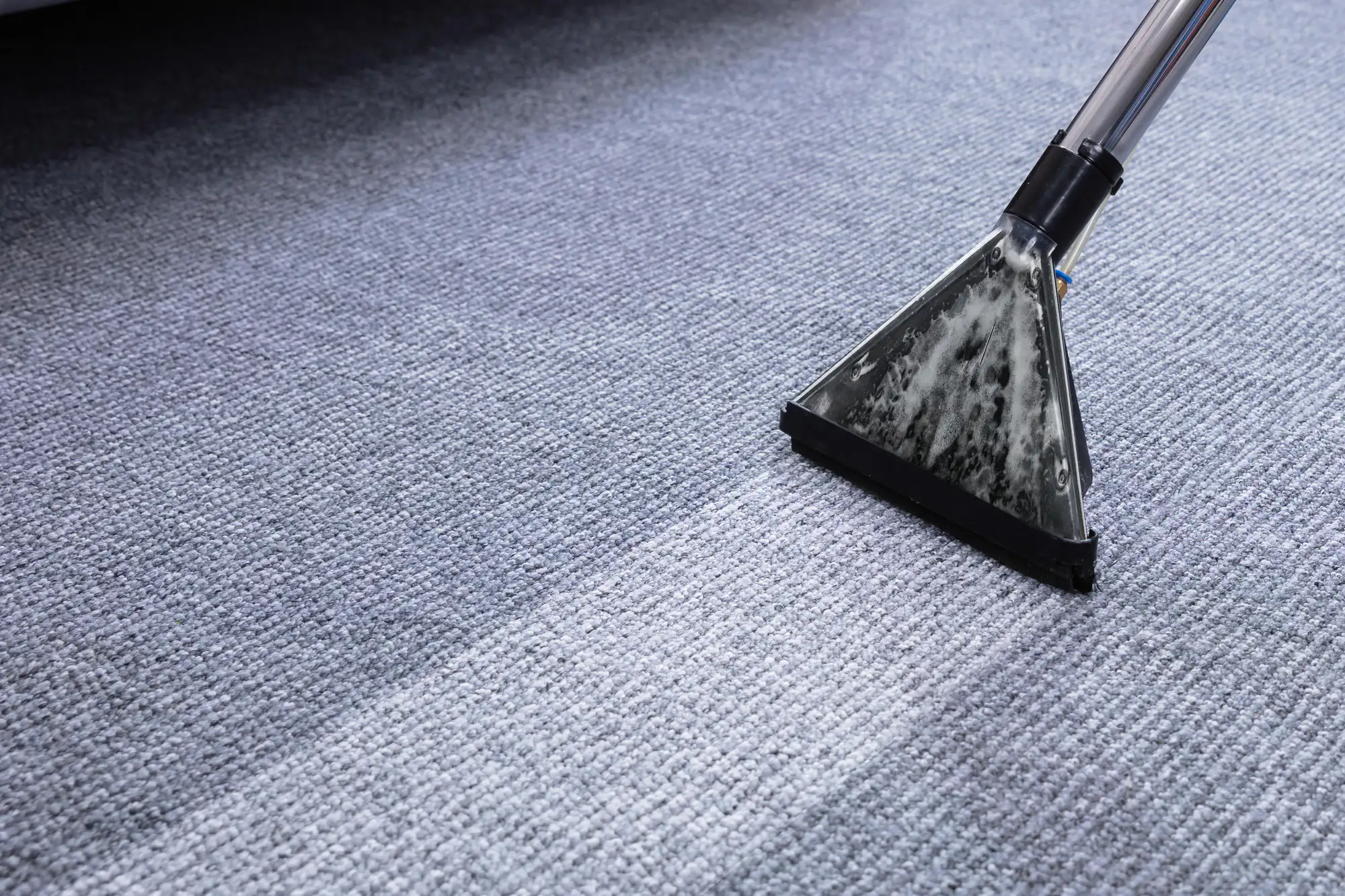
Rental carpet extractors run into the same limitation. They can remove surface-level soil effectively, but they don’t generate the pressure or suction needed to flush and extract urine from the carpet pad. In some cases, they can actually make things worse by wetting the urine salts in the fibers and pushing the contaminated liquid deeper into the pad — a process called wicking. When the carpet dries, the contamination migrates back up through the fibers to the surface, and the smell returns within days.
How to Actually Find Hidden Pet Urine in Carpet
One of the most overlooked parts of pet odor removal is the inspection step — specifically, finding all of the contaminated areas before treating any of them. Uric acid crystals are colorless when dry, which means a significant portion of pet urine contamination is invisible to the naked eye. Homeowners often treat the spots they can see and wonder why the smell persists, not realizing there are additional areas they haven’t addressed.
The professional approach uses UV light — sometimes called a black light — to identify urine contamination that isn’t visible in normal lighting. Under UV, dried urine fluoresces and reveals the full extent of the problem, including spots that were never noticed and older accidents that have been cleaned on the surface but not fully removed. In some cases, especially in homes with elderly pets or pets with incontinence issues, the contamination is significantly more widespread than the owner realized.
Moisture detection probes are another tool used in professional inspection. These can identify areas where urine has penetrated into the carpet pad and is still holding moisture — an important distinction, because wet pad contamination requires a different treatment approach than dry, crystallized contamination.
This inspection step matters because treating only the visible spots while leaving hidden contamination untouched means the odor will continue to cycle back. It’s not a failure of the cleaning product — it’s an incomplete diagnosis of the problem. For Ventura County households with multiple pets, or homes where previous owners had animals, a thorough UV inspection before any treatment begins is often the difference between a one-visit resolution and months of recurring frustration. The carpet may look clean in every room, but the UV light tells a different story.