You spent real money on that rug. Maybe you found it at a local showroom in Thousand Oaks, brought it back from a trip, or inherited something genuinely irreplaceable. And now it needs cleaning — but handing it over to a stranger with a spray bottle and a timer running feels like a gamble.
That hesitation is worth listening to. This page is for Ventura County homeowners who want to understand what professional carpet and rug cleaning actually looks like, how to spot the difference between a real clean and a rushed one, and what questions to ask before anyone walks through your door.
What Professional Carpet Cleaning Actually Involves
The gap between professional carpet cleaning and a budget-tier job isn’t just about equipment — it’s about process. A thorough clean starts before we touch the carpet. We inspect the fiber type, identify problem areas, and select chemistry that matches the surface. Wool responds differently than nylon. A hand-knotted rug from a Ventura County showroom has different needs than builder-grade synthetic in a rental.
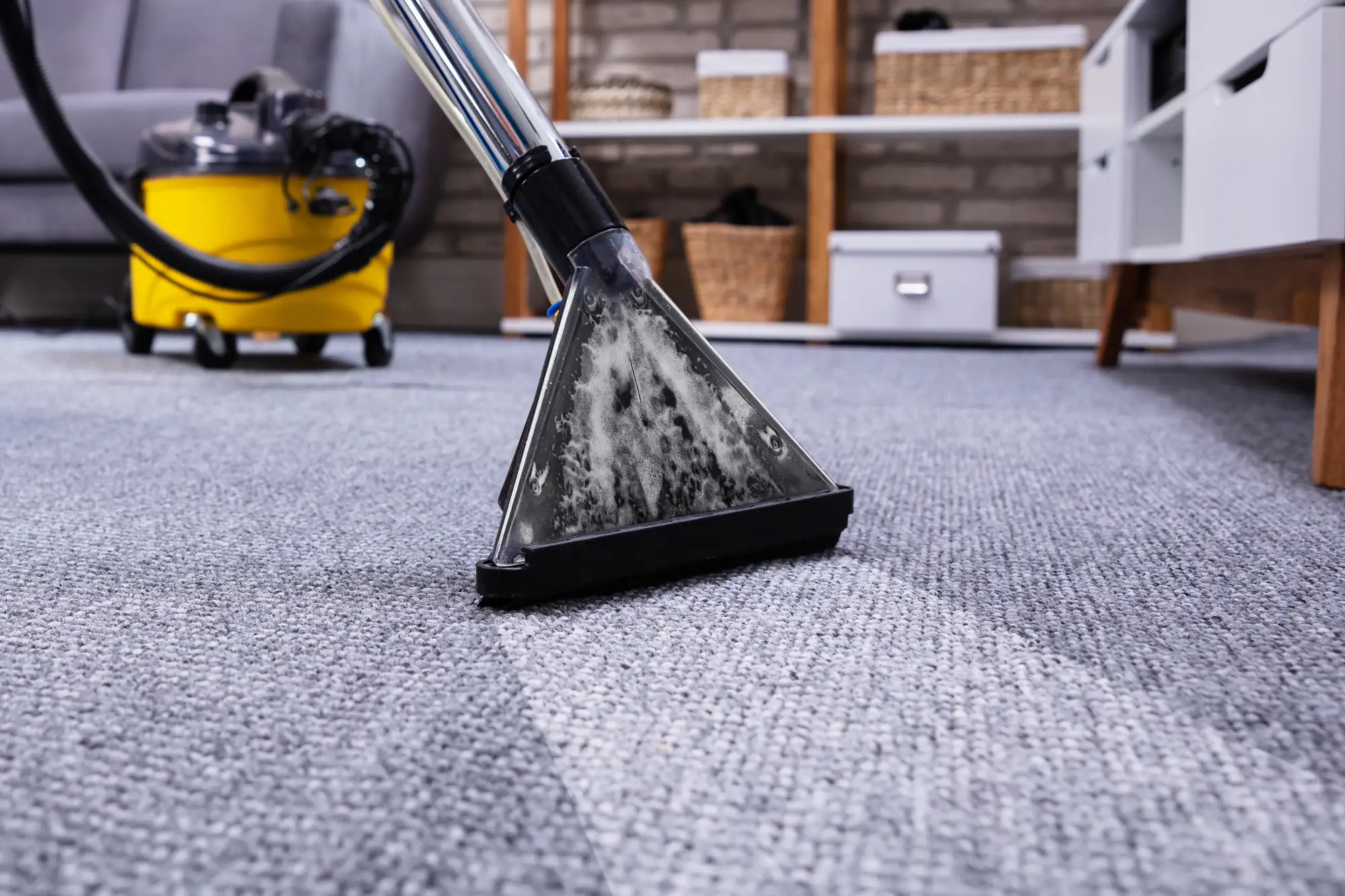
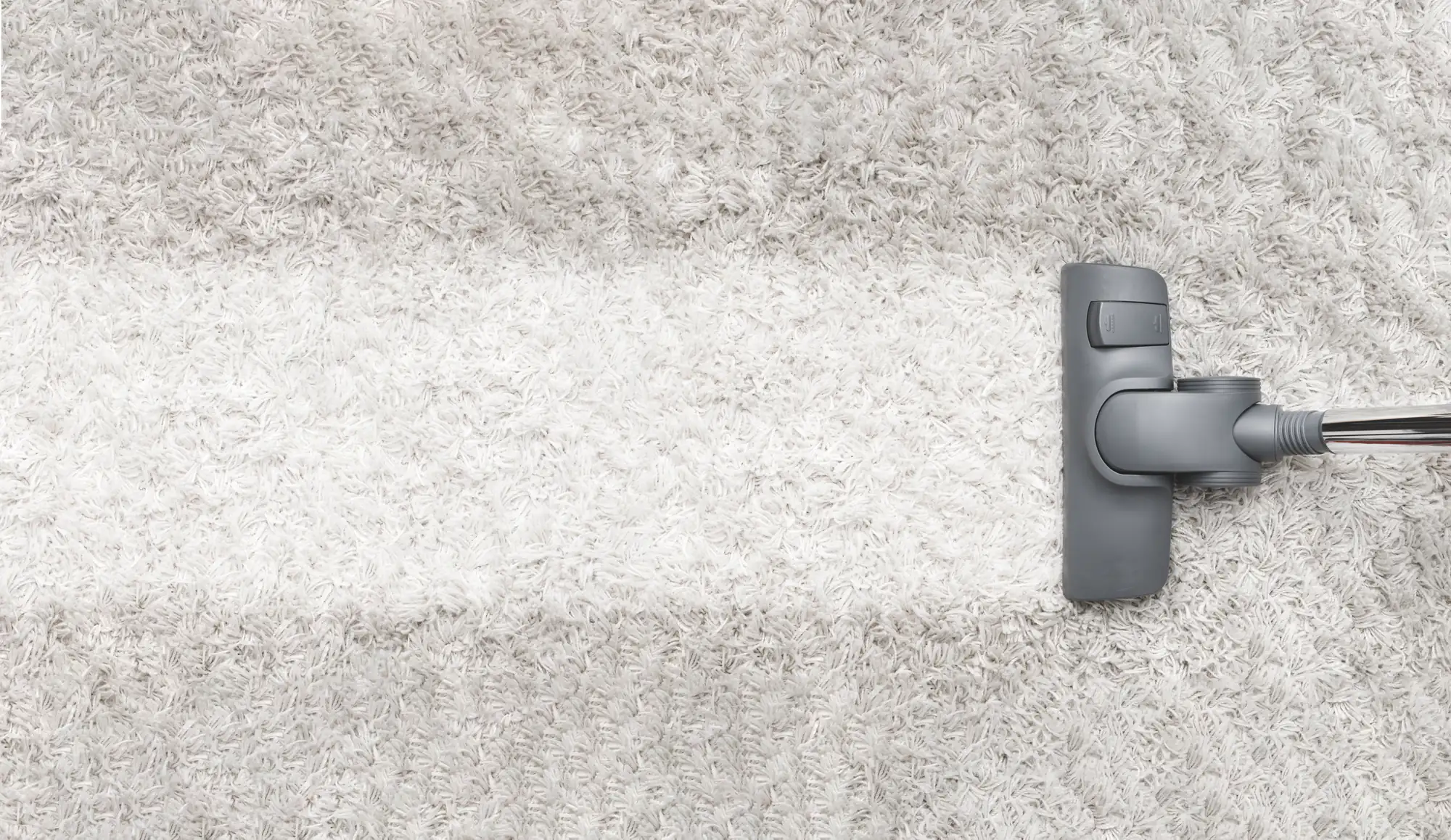
From there, the process moves through pre-treatment, agitation to loosen embedded soil, hot water extraction, and post-treatment for any remaining spots. Done correctly, carpets come out clean at the fiber level — not just surface-level clean. Done poorly, they look fine for two weeks and then re-soil faster than before because cleaning residue was left behind, acting like a magnet for new dirt.
Area Rug Cleaning Service: Why Rugs Need a Different Approach
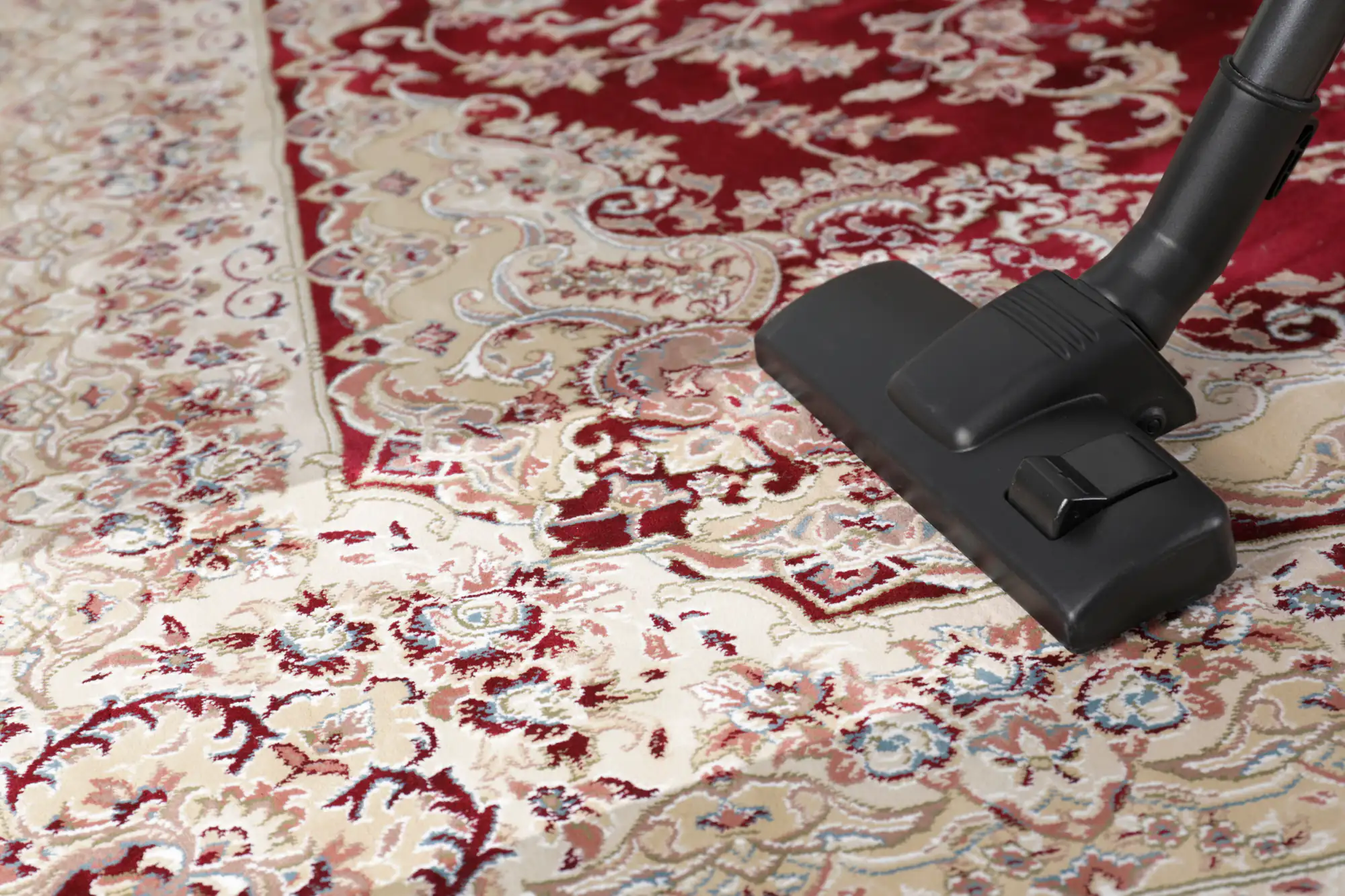
Wall-to-wall carpet and area rugs are not the same job. Most homeowners don’t realize this until something goes wrong — a wool rug that shrinks, a Persian piece where the dyes bleed, a hand-knotted rug that comes back stiff and matted. These aren’t rare accidents. They happen when a cleaner applies a one-size-fits-all approach to a surface that requires something more specific.
Area rugs — particularly wool, silk, and hand-knotted pieces — have dye structures, pile constructions, and backing materials that react unpredictably to the wrong chemistry or too much moisture. A synthetic carpet can tolerate a fairly aggressive extraction pass. A fine wool rug cannot. The agitation method matters. The dwell time matters. The drying protocol matters, especially in a coastal climate like Ventura County’s, where the marine layer keeps humidity elevated through much of the summer and a rug that stays damp too long becomes a mold problem.
This is why the “also does rugs” line on a carpet cleaner’s website isn’t always enough reassurance. What you want to know is whether we actually understand the difference — whether we’re going to pre-inspect the rug, identify the fiber, test for dye stability before applying anything, and dry it properly. A rug that cost you $1,500 at a Conejo Valley showroom deserves that level of attention. So does a rug you’ve had for twenty years that can’t be replaced.
We carry over 30 professional-grade products on-truck specifically because different surfaces require different treatment. There is no single solution that works on everything, and pretending otherwise is how expensive rugs get damaged. When William arrives at your home, the first thing he does is look at what he’s actually working with — not reach for the same bottle he used at the last three jobs.
How to Spot a Trustworthy Carpet Cleaning Service in Ventura County
The most common complaint in this service category isn’t bad cleaning — it’s bait-and-switch pricing. A company advertises a low per-room rate, shows up, and then works through a script of add-ons: deodorizer, protectant, “deep clean upgrade,” pet treatment. By the time they’re done talking, the job is two or three times the original quote. This happens constantly, and it’s the reason so many Ventura County homeowners approach carpet cleaning with their guard up.
A few things to look for before you book anyone. First, does the company give you a real price upfront, or do they give you a starting rate and explain the rest when they arrive? A flat-rate quote that doesn’t change at the door is a meaningful signal. Second, look at the reviews — not just the star rating, but what people are actually saying. Reviews that mention transparency, communication, and results that exceeded expectations tell you more than a generic five-star rating with no detail. Third, find out who is actually doing the work. A company that sends a different technician every time offers a very different experience than one where the same person — ideally the owner — shows up and is accountable for the outcome.
Certifications matter too, though they’re not the whole picture. Industry credentials from organizations like the IICRC signal that a technician has been trained in fiber identification, soil chemistry, and proper extraction methods — not just how to operate a machine. Experience matters alongside those credentials. Someone who has spent over a decade cleaning carpets and rugs across Ventura County, in homes ranging from beachside cottages in Oxnard to larger properties in Thousand Oaks and Westlake Village, has encountered the full range of what floors in this region deal with — coastal sand, pet households, wildfire ash from fire seasons past, and the humidity patterns that come with living near the coast.
The short version: a lower quote is not always a better deal. In this category, it is often the beginning of a more expensive experience.