
Welcome to Vanpro Carpet Cleaning, your locally owned and operated professional carpet & tile cleaning service based in Ventura, CA.
Contact Info
If your shower grout keeps getting dirty right after you clean it, cleaning isn't the problem. Here's what's actually going on — and what to do about it.
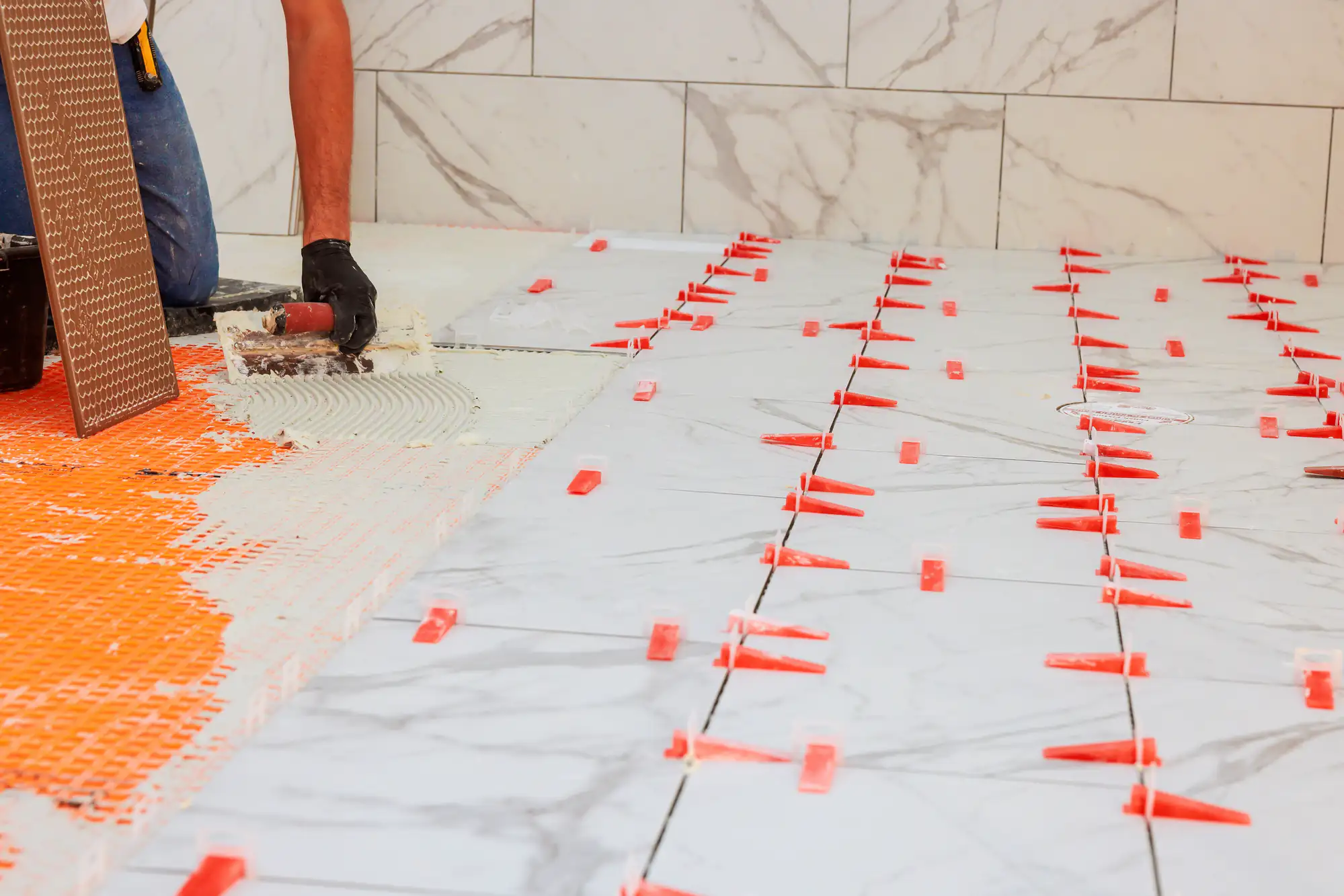
You’ve scrubbed it. You’ve bleached it. Maybe you’ve even paid someone to clean it. And a few weeks later, the grout is dark again — sometimes darker than before. That’s not a cleaning problem. That’s a grout problem, and there’s a real reason it keeps happening.
This page is for homeowners in Ventura County who are past the point of trying another product from the hardware store. We’ll explain what’s actually causing the re-darkening, walk you through how to tell whether your shower needs cleaning, sealing, repair, or something else entirely, and help you stop throwing time and money at a temporary fix.
The short answer is that most grout is cement-based, and cement is porous by design. It absorbs whatever comes into contact with it — water, soap scum, body oils, shampoo residue, and anything else that runs through your shower. Every time you clean the surface, you’re removing what’s sitting on top. But the moment moisture hits again, the grout starts absorbing all over again.
Here’s the part most people don’t realize: if grout isn’t sealed after cleaning, the results are temporary by design. There’s no version of scrubbing hard enough or often enough that changes this. The porosity is the issue, not the effort.
Bleach is the go-to for most homeowners dealing with dark or moldy shower grout, and it makes sense — it lightens the stain immediately and kills surface mold. The problem is what it does underneath the surface over time.
Bleach is caustic. Repeated use erodes the cement binder that holds grout together, which makes the grout more porous with every application. So the more you clean with bleach, the faster the grout re-darkens after each cleaning — because the material is becoming structurally weaker and more absorbent each time. It’s a cycle that looks like a cleaning problem but is actually a chemistry problem.
The same issue applies to acidic cleaners. They’re effective at cutting through soap scum and mineral deposits, but they strip away any sealer that’s present and roughen the grout surface at a microscopic level. That rougher surface grabs onto dirt and holds it more aggressively than smooth, intact grout would.
Mold is another layer of this. Bleach removes what’s visible — the dark discoloration on the surface. But mold in porous grout doesn’t live only on the surface. The root structure penetrates into the grout itself, and surface treatment doesn’t reach it. Within a few weeks, the visible mold returns because the source was never addressed. Professional treatment uses chemistry that penetrates to where the contamination actually lives, not just what’s visible from the outside.
Every time you mop a tiled floor or wipe down grout with a dirty cloth or mop head, you’re pushing suspended dirt directly into those porous grout lines. The grout absorbs it. This is why grout can actually get darker the more you clean it — you’re not removing the problem, you’re feeding it.
Sealing grout changes the equation entirely. A penetrating sealer soaks into the grout and reduces how much moisture and soil the material can absorb. It doesn’t make grout completely impervious, but it dramatically slows the re-darkening process and makes regular cleaning far more effective.
Color sealing goes a step further. Instead of soaking in and reducing absorption, color seal forms a topical barrier over the grout surface — essentially making it non-porous. It also restores a uniform color to grout that has been permanently stained or discolored beyond what cleaning alone can fix. The results last significantly longer than a standard penetrating sealer, and day-to-day cleaning becomes much easier because nothing is absorbing into the grout line.
The important thing to understand is that sealing is not a permanent solution either. In a high-moisture environment like a shower, grout sealer wears down over time. High-moisture areas generally need resealing every one to three years depending on usage and the type of sealer applied. If your shower grout was sealed at installation but has never been resealed, the protection is likely long gone — and the grout has been exposed and absorbing for years.
This is why the sequence matters: clean first, seal after. Sealing dirty grout locks the contaminants in rather than protecting against future ones. And cleaning without sealing leaves the grout exposed and guarantees you’ll be back to square one within weeks. When we handle tile and grout cleaning, sealing is part of the process — not an optional add-on — because skipping it defeats the purpose of cleaning in the first place.
Grout sealer that has partially worn down can actually trap contaminants beneath the surface. As the sealer degrades, it creates a layer that holds dirt in rather than repelling it. This is another reason why grout that was sealed years ago can look worse than grout that was never sealed at all.
Want live answers?
Connect with a Vanpro Carpet Cleaning expert for fast, friendly support.
Cleaning and sealing can do a lot. But there’s a point where grout has deteriorated past what any cleaning service can fix — and pushing forward with cleaning when repair is what’s needed wastes money and delays the real solution.
The distinction matters because the consequences of failing grout in a shower go beyond cosmetics. Grout is what keeps water inside the shower system. When it fails, water finds its way behind the tile — and once water is behind the tile, you’re looking at potential substrate damage, mold inside the wall cavity, and repairs that cost far more than the grout work would have.
The easiest place to start is a visual inspection. Run your finger along the grout lines. If the grout is intact — firm, continuous, and not crumbling under light pressure — then cleaning and sealing is almost certainly the right call, even if the grout looks heavily discolored. Staining is a surface and absorption problem, and professional cleaning with proper sealing can address it without any structural work.
If the grout is cracking, crumbling, or missing in sections, that’s a repair situation. Cleaning cracked or missing grout doesn’t fix the underlying failure, and sealing over damaged grout doesn’t restore its ability to keep water out. The damaged material needs to be removed and replaced before sealing makes any sense.
You cannot successfully apply new grout directly over old grout. New grout doesn’t bond properly to existing material. It looks fine initially and then begins to fail quickly. The old grout has to come out first, which requires the right tools and enough experience to avoid damaging the tile in the process.
Corners and seams are a separate consideration. The joints where the shower floor meets the walls, and where walls meet each other, are typically filled with caulk rather than grout — because those areas flex slightly with temperature changes and the movement of the structure. Grout is rigid and cracks in those locations. If you’re seeing cracking specifically in corners, the fix is recaulking, not regrouting. Applying grout in those areas will result in the same cracking returning relatively quickly.
Tiles that sound hollow when tapped, or that feel soft or spongy underfoot, are a sign that water has already reached the substrate beneath. That’s a more serious situation — it means the grout failure has been happening long enough for water to penetrate and begin compromising the material behind the tile. At that point, an honest assessment is critical before any surface work begins, because cleaning or regrouting over compromised substrate won’t hold.
Pet urine in a bathroom is a specific and frustrating problem that standard grout cleaning doesn’t solve — and it’s worth addressing directly because so many homeowners have tried multiple cleaning products and still can’t get rid of the smell.
When a pet urinates on a tiled floor, the liquid doesn’t stay on the surface. It runs into the grout lines and soaks in. If the grout isn’t sealed or the sealer has worn down, the urine penetrates into the grout itself — and in some cases, into the substrate beneath the tile. Once it’s that deep, surface cleaning doesn’t reach the odor source. You can clean the tile until it looks perfect and the smell will still return, especially when the floor gets wet again, because moisture reactivates the odor compounds embedded below the surface.
This is a chemistry problem, not a cleaning effort problem. The compounds in pet urine that cause persistent odor require specific enzymatic or oxidizing chemistry applied at the right concentration to break them down at the source. Generic store products aren’t formulated to penetrate grout at the depth required. Applying the wrong chemistry — particularly anything bleach-based — can actually set the odor compounds rather than neutralizing them.
We carry more than 30 specialized cleaning products because different problems require fundamentally different solutions. The chemistry that works on soap scum buildup is not the chemistry that works on urine odor embedded in grout. Using one product across every situation is how you end up with results that look fine but smell wrong, or smell better temporarily and return within days. A proper assessment identifies what’s actually present in the grout before any product is applied — and the treatment is matched to the actual problem, not a general approximation of it.
If the urine has reached the substrate beneath the tile, that’s a more involved situation. It may require addressing the substrate directly rather than just the grout surface. An honest in-home walkthrough will identify how far the penetration has gone and what the realistic options are before any work begins.
If you’ve read this far, you probably already know that the answer isn’t scrubbing harder or trying a different product. The answer starts with an accurate diagnosis — is this a cleaning and sealing situation, a repair situation, or something that’s gone far enough to need a more serious conversation about the substrate?
Most of the time, professional cleaning followed by proper sealing is enough to restore grout that looks beyond saving. Severely discolored grout that won’t respond to cleaning can often be addressed with color sealing, which restores a uniform finish and provides longer-lasting protection than a standard sealer. Structurally damaged grout needs repair before any of that makes sense.
If you’re in Ventura County and you’re tired of temporary fixes, Vanpro Carpet Cleaning handles the full range — from deep grout cleaning and sealing to honest assessments of what your specific shower actually needs. Tile and grout cleaning is our most requested service, and we’d rather tell you upfront what will and won’t work than take your money on something that won’t hold.
Summary:
Article details:
Share:

