
Welcome to Vanpro Carpet Cleaning, your locally owned and operated professional carpet & tile cleaning service based in Ventura, CA.
Contact Info
Not every cleaning method is safe for hardwood. Here's what actually protects your finish versus what slowly destroys it.
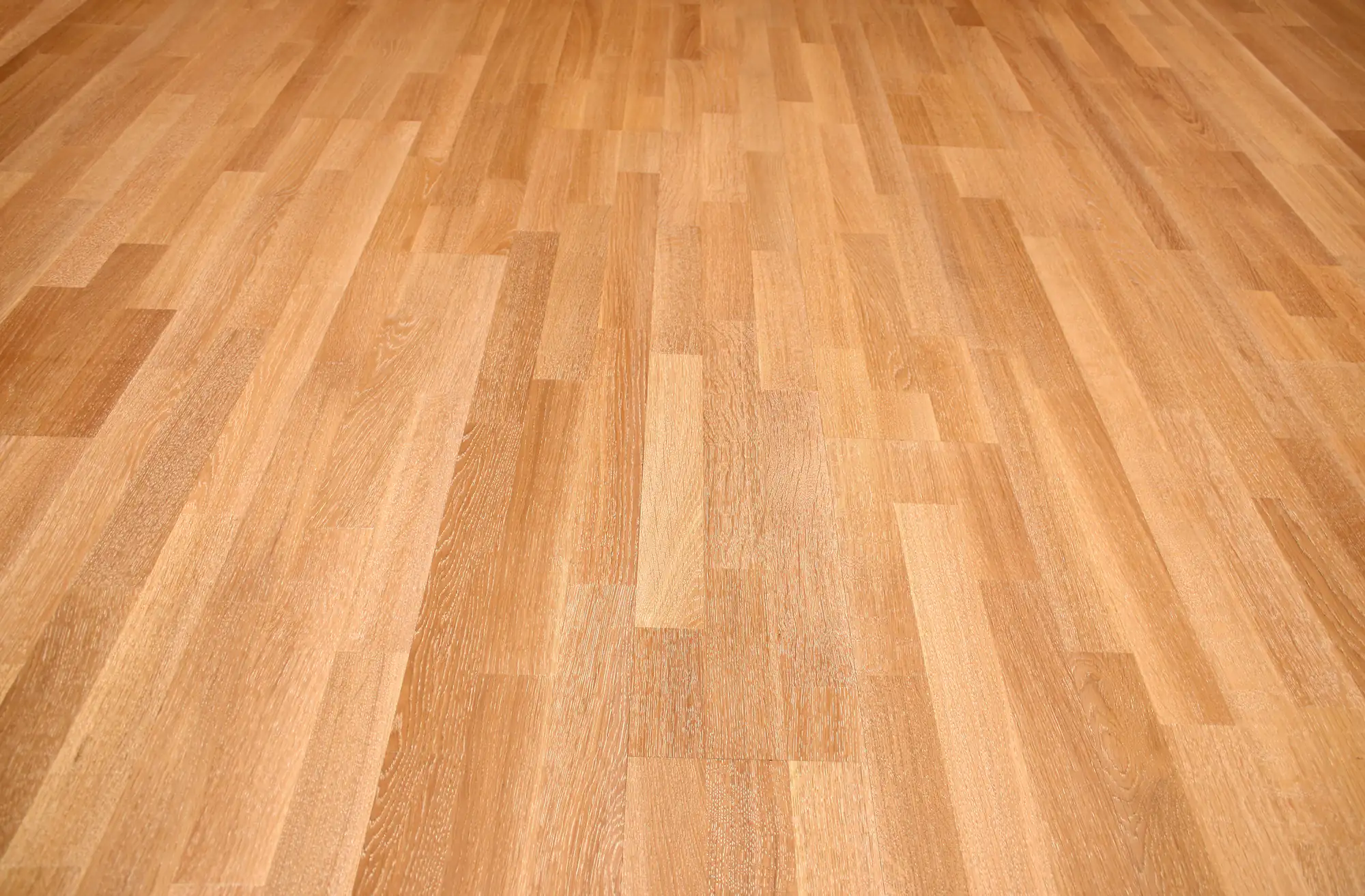
Most people don’t find out they’ve been cleaning their hardwood floors wrong until something goes wrong — a cloudy finish that won’t clear up, boards that feel slightly tacky, or a dull haze that no amount of mopping seems to fix. It’s frustrating, especially when you’ve been consistent about keeping the floors clean. The problem usually isn’t effort. It’s method.
The cleaning approach that works perfectly on tile or carpet can quietly wreck a hardwood finish over months or years. This page walks through what’s actually happening to your floors, what separates a safe cleaning method from a damaging one, and what to look for when you decide it’s time to bring in a professional.
Hardwood is not forgiving the way tile is. Tile can handle moisture, strong cleaners, and scrubbing pressure without much consequence. Wood is different — it absorbs, expands, contracts, and reacts to whatever you put on it.
The finish sitting on top of the wood is the only thing standing between your floors and real damage, and once that finish breaks down, you’re looking at refinishing rather than cleaning. What makes this harder is that “hardwood floor cleaner” on a product label doesn’t mean the product is safe for your specific floor.
The finish type — whether it’s polyurethane, wax, oil, or aluminum oxide — determines what chemistry is actually appropriate. Using the wrong product on the wrong finish doesn’t always cause immediate visible damage. It degrades the finish gradually, and by the time you notice, the problem is already significant.
This is the question most cleaning companies — and most DIY guides — skip entirely. Before anything touches a hardwood floor, the finish type needs to be identified, because it fundamentally changes which products and methods are safe.
Polyurethane-finished floors are the most common in Ventura County homes built in the last few decades. They have a hard, clear surface coat that seals the wood and makes it relatively resistant to moisture — but only when the finish is intact. pH-neutral cleaners work well here. Harsh chemicals, acidic solutions, or anything that strips the surface coat will leave the wood exposed.
Wax-finished floors — found more often in older homes, including many of the mid-century properties throughout Ventura County — require an entirely different approach. Water-based cleaners can penetrate a wax finish and swell the wood beneath it. These floors typically need dry or near-dry cleaning methods, and any wax buildup from consumer products needs to be removed carefully before a fresh application.
Oil-finished floors are less common but increasingly popular in higher-end homes. They require oil-soap-based cleaners and periodic re-oiling — not the same maintenance routine as a polyurethane floor at all.
The simplest way to get a rough sense of your floor’s finish is the water bead test. Put a few drops of water on an inconspicuous area. If the water beads up and sits on the surface, the floor is likely sealed. If it absorbs into the wood within a minute or two, the finish may be worn through or the floor may be unsealed.
An unsealed floor needs to be cleaned with very little moisture and specific dry-cleaning methods — applying a wet mop to an unsealed hardwood floor is one of the fastest ways to cause warping. The point isn’t to turn homeowners into flooring experts. It’s to explain why a professional who asks about your floor type before doing anything is doing their job correctly — and one who doesn’t ask that question is a risk.
Steam mops are probably the single most common source of preventable hardwood floor damage. They’re marketed as powerful, chemical-free, and hygienic — all of which is true for tile and grout. On hardwood, the steam drives moisture directly into the seams between boards, where it causes swelling, warping, and discoloration over time.
The damage is usually cumulative, which means the floor looks fine for a while before the problem becomes obvious. Vinegar comes up constantly as a “natural” hardwood cleaner, and it does produce a short-term shine. The issue is that vinegar is acidic, and repeated applications break down polyurethane finish. It’s the kind of thing that looks like it’s working right up until the finish is visibly degraded and dull.
Consumer “hardwood floor” sprays and mop solutions are another common culprit. Many of them leave a wax or polymer film that builds up with each application. After enough layers, the floor develops a cloudy, hazy appearance that attracts dirt and resists cleaning. Most homeowners assume this is just how their floors age. It isn’t — it’s residue buildup, and we can remove it with professional deep cleaning.
That’s an important distinction, because a lot of floors that look like they need refinishing actually just need a proper deep clean. The vacuum beater bar issue is smaller but worth mentioning. Standard vacuum attachments with rotating brush bars are designed for carpet and will scratch hardwood over time. Soft-bristle or suction-only attachments are the right tool for hardwood.
None of these mistakes are obvious in the moment. That’s what makes them so common. The damage accumulates quietly, and by the time it’s visible, months or years of cleaning sessions have contributed to it.
Want live answers?
Connect with a Vanpro Carpet Cleaning expert for fast, friendly support.
Generic hardwood cleaning guides are written for a general audience, which means they don’t account for the specific conditions your floors are actually living in. Ventura County has a climate that creates real, specific stressors for hardwood — and understanding them helps explain why some floors in this area age faster than others, and why regular professional cleaning matters more here than a national guide might suggest.
The county spans a range of microclimates, from the coastal communities of Ventura, Oxnard, and Port Hueneme to the drier inland valleys of Ojai, Fillmore, and Santa Paula. The hardwood floors in a beachfront home in Oxnard are dealing with a fundamentally different environment than floors in a home up in the Ojai Valley.
Wood expands and contracts with humidity. The industry standard for hardwood stability is an indoor humidity range of roughly 40 to 60 percent — outside that range, floors start to move in ways that stress the finish and the boards themselves.
In the coastal parts of Ventura County, marine air keeps humidity relatively elevated year-round. Homes in Ventura, Oxnard, and Port Hueneme — especially those close to the water — can see indoor humidity run on the higher end of that range or above it during certain seasons. Over time, this contributes to slight swelling and finish degradation, particularly in older homes without modern climate control. Salt air adds another layer of wear on surface finishes in beachfront properties.
Inland communities face the opposite problem. Ojai, Fillmore, and Santa Paula experience significantly hotter, drier summers, and the swing between wet winters and dry summers creates expansion and contraction cycles that wear on hardwood faster than a stable climate would.
Then there are Santa Ana wind events, which hit Ventura County every fall and sometimes into winter. These are hot, dry offshore winds that can drop indoor humidity to extremely low levels within hours — sometimes into the single digits. Rapid drying causes hardwood boards to contract quickly, which can open visible gaps between boards and stress the finish at the seams.
Santa Ana events also push significant amounts of fine dust and particulate matter into homes, which works its way into the grain of the floor and contributes to dullness and surface wear. Homes in Thousand Oaks, Moorpark, Camarillo, and Simi Valley sit in the middle of these extremes — suburban communities with a mix of newer construction and established homes, many of which have hardwood floors that have been through decades of these seasonal cycles.
Regular professional cleaning in these conditions isn’t just about appearance. It removes the abrasive particles that accelerate surface wear and helps preserve the finish that protects the wood underneath.
A professional hardwood floor cleaning done correctly looks nothing like a mop-and-go service. The process starts before any cleaning product touches the floor.
The first step is a pre-inspection — assessing the floor type, finish condition, and any areas of concern before deciding on the appropriate cleaning method and chemistry. This is the step that separates a cleaner who knows hardwood from one who just shows up with a machine. The finish type, the age of the floor, the presence of any worn or damaged areas — all of it informs what happens next.
From there, the floor gets a thorough vacuuming with the right attachment — no beater bar, no rotating brush that can scratch the surface. Surface debris needs to come up before any cleaning solution is applied, because grinding particles into the floor during the wet cleaning phase causes micro-scratches that accumulate over time.
Pre-treatment comes next. A wood-safe, pH-neutral solution is applied to address embedded dirt and residue buildup — the stuff that a regular mop leaves behind. The chemistry here matters. The cleaner needs to be matched to the finish type and the specific condition of the floor, not pulled from a generic supply kit.
The deep cleaning phase uses professional equipment designed to clean without over-wetting — controlled moisture application is critical. Too much water on hardwood, even sealed hardwood, creates risk. The goal is thorough cleaning with the minimum moisture necessary, always working with the grain to avoid streaking and micro-scratching.
After drying, a final walkthrough confirms the results before the job is finished. That’s not a formality — it’s the moment to catch anything that needs a second pass and to make sure you can see the difference.
For floors that have accumulated heavy wax buildup or old product layers — common in homes where consumer hardwood products have been used for years — a strip-and-wax service goes further. Old wax layers are stripped, the floor is neutralized, and a fresh finish is applied. This is the service that actually restores floors that look permanently dull, not just cleans them.
If your floors look dull despite regular cleaning, feel slightly tacky, have a hazy film that won’t clear, or you’ve been using a steam mop and noticed any warping or discoloration — those are signs that the cleaning method isn’t working, and continuing it will make things worse. The good news is that most of what looks like permanent damage is actually residue buildup or finish degradation that a professional deep cleaning can address.
Getting a professional assessment before committing to refinishing is worth the call. Refinishing is expensive and disruptive. A proper deep clean often achieves what homeowners assumed would require sanding the floors down to bare wood.
If you’re in Ventura County — whether you’re in Thousand Oaks, Camarillo, Ojai, Ventura, or anywhere in between — we at Vanpro Carpet Cleaning offer free quotes, show up with the owner on every job, and use surface-specific products matched to your actual floor type. Reach out to get an honest assessment of what your floors need.
Summary:
Article details:
Share:

